Tired of One-Size-Fits-All Workouts? How Personalized Fitness Apps Finally Get You
We’ve all been there—following a generic workout plan that leaves us either bored or burned out. You show up, put in the effort, but see little progress. It’s frustrating when fitness feels like a chore instead of a joy. But what if your app could *really* know your pace, your goals, even your mood? That’s where today’s smart exercise apps step in—not just tracking steps, but adapting to *you*. This is fitness that listens, learns, and grows with you. No more rigid schedules or one-size-fits-all routines. Instead, imagine an app that celebrates your small wins, respects your busy days, and gently nudges you forward—because it actually understands your life.
The Problem with Traditional Workout Plans
Remember when you first downloaded that fitness app? You were excited, ready to transform your routine. You picked a 30-day challenge, committed to early morning workouts, and even blocked time in your calendar. But by week three, something shifted. Maybe you were tired after a long day with the kids. Maybe work ran late, or you just didn’t feel like doing squats at 6 a.m. again. The app didn’t care. It kept pushing the same plan, the same intensity, the same expectations—regardless of how you actually felt. And that’s the problem. Most traditional fitness apps operate like old-school gym trainers: strict, repetitive, and impersonal. They assume everyone recovers at the same rate, has the same energy levels, and responds the same way to stress. But life doesn’t work that way. You’re not a machine, and your body isn’t a spreadsheet.
When your real-life needs clash with a rigid digital plan, frustration builds. You start skipping sessions. Then guilt sets in. You might even question your discipline, thinking, “Why can’t I stick with this?” But it’s not about willpower. It’s about fit. A plan that doesn’t adjust for your changing schedule, energy, or emotional state is bound to fail. And it’s not just about missing a workout here and there. The deeper cost is the erosion of confidence. Each time you fall behind, you internalize the message: “I’m not good at this.” Over time, that belief becomes a barrier to even trying again. That’s why so many people download fitness apps with high hopes—only to delete them months later, feeling like they’ve failed. The truth? The app failed *them*. It didn’t see the whole picture—the school drop-offs, the late-night work emails, the emotional load of managing a household. A good fitness plan shouldn’t ignore your life. It should work *with* it.
How Personalization Transforms User Experience
Now imagine a different kind of app—one that notices when you’ve had a tough week and swaps a high-intensity session for a gentle stretch routine. One that sees you’ve been consistent and rewards you with a slightly more challenging workout, just when you’re ready. This isn’t science fiction. It’s what personalized fitness apps are doing right now. These tools don’t just track your movements—they learn from them. They watch how you respond to different types of exercise, how your energy shifts across the week, and how your mood affects your motivation. And then, they adapt. The result? A fitness experience that feels less like a chore and more like a conversation. You’re not fighting against the plan; you’re moving *with* it.
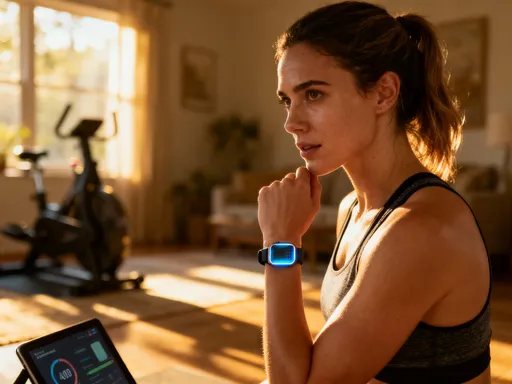
Personalization means your workout changes based on real-time feedback. If you log that you’re feeling tired or sore, the app might shorten the session or switch to low-impact moves. If you’ve been hitting your goals consistently, it might suggest adding resistance or trying a new class. Some apps even adjust based on your sleep data—if your wearable shows you didn’t rest well, the morning workout becomes a recovery session instead of a sprint. This kind of flexibility isn’t just convenient; it’s empowering. It sends a powerful message: “We see you. We respect your limits. And we’re here to help you grow at your own pace.” That’s a huge shift from the old model of fitness, which often felt like a test you had to pass. Now, it’s more like having a thoughtful coach in your pocket—one who knows when to push and when to pause.
And the best part? You don’t have to do anything complicated to benefit. Most of these apps ask simple questions: “How did yesterday’s workout feel?” or “Rate your energy today from 1 to 5.” That input, combined with your activity history, is enough to start shaping a plan that fits *you*. Over time, the more you engage, the smarter it gets. It’s not about perfection—it’s about progress. And when your fitness routine finally feels doable, sustainable, and even enjoyable, you’re far more likely to stick with it.
Behind the Scenes: What Powers the Personal Touch
So how does this magic happen? What’s actually going on behind the screen when your app seems to “get” you? The answer lies in machine learning—a type of artificial intelligence that learns from patterns in data. Every time you complete a workout, skip a session, or log how you’re feeling, you’re feeding information into the system. Over weeks and months, the app begins to recognize trends. For example, it might notice that you’re more likely to complete workouts on Tuesday and Thursday mornings, or that high-intensity sessions leave you sore when you haven’t slept well. It uses that knowledge to make smarter suggestions.
But here’s the important part: this technology isn’t invasive or overwhelming. You don’t need a PhD to use it. You don’t have to stare at complex charts or decode performance metrics. The intelligence works quietly in the background, making adjustments so you don’t have to. Think of it like a thermostat for your fitness. It senses the conditions—your energy, your schedule, your recovery—and automatically sets the right temperature. Too much too soon? It dials it back. Ready for a challenge? It turns up the heat. The goal isn’t to overwhelm you with data, but to simplify your decisions and reduce friction.
Privacy is also a top priority. Most reputable apps don’t share your personal information or sell your data. They focus on using your inputs to improve *your* experience, not to target ads or build user profiles. And you’re always in control. You can adjust settings, override suggestions, or pause tracking at any time. The technology is designed to serve you, not the other way around. That balance—between smart automation and user autonomy—is what makes modern fitness apps feel trustworthy. They’re not trying to replace your judgment. They’re there to support it.
Real Stories: When the App Finally “Got” Me
Let’s talk about Maria, a mom of two from Chicago. She’d tried fitness apps before, but they never lasted. “I’d do great for a week, then life would get busy, and I’d fall behind,” she said. “I’d feel guilty, so I’d stop altogether.” Then she tried a personalized app that asked her to check in each morning. One hectic Monday, she logged that she was exhausted and only had 15 minutes. Instead of pushing a 45-minute routine, the app gave her a quick strength circuit she could do in her living room. “It felt doable,” she said. “And because I actually did it, I didn’t feel like a failure.” Over time, the app learned her rhythm—shorter workouts on school days, longer ones on weekends. “For the first time, it felt like the app was working *with* me, not against me.”
Then there’s James, recovering from a knee injury. He was cautious about overdoing it, but he didn’t want to lose all his progress. His personalized app started him slow, gradually increasing intensity based on his feedback. After each session, he rated his pain and effort. The app used that data to ensure he wasn’t pushing too hard. “It gave me confidence,” he shared. “I knew I wasn’t guessing. I had a plan that respected my healing.”
And consider Linda, a teacher in Portland. After a string of stressful parent-teacher conferences, she logged low energy and high stress. The next day, her app suggested a yoga session instead of her usual run. “I almost skipped it,” she admitted. “But I tried it, and it was exactly what I needed. I felt calmer, more centered.” These aren’t isolated cases. Across thousands of users, the story is the same: when fitness feels personal, it feels possible. The emotional relief of being understood—of not having to explain why you’re tired or overwhelmed—makes a huge difference. It turns fitness from a source of pressure into a source of support.
Making It Work: How to Set Up Your App for Success
So how can you get the most out of a personalized fitness app? The key is honest, consistent input. Think of it like training a new employee—you have to show them the ropes. When you first set up the app, take time to answer the onboarding questions thoughtfully. What are your goals? Weight management? More energy? Better sleep? Stress relief? The clearer you are, the better the app can support you. But don’t stop there. The real magic happens over time, as you keep feeding it information.
Make it a habit to check in daily. Even a quick tap to say “I feel 3 out of 5 today” helps the system learn. If your app integrates with a wearable, enable that sync—it adds valuable data like heart rate and sleep quality. But don’t stress if your tracker isn’t perfect. Missing a day won’t derail your progress. What matters most is showing up consistently, even in small ways. And don’t be afraid to adjust manually. If the app suggests a long workout but you know you only have 20 minutes, change it. The system will notice that too, and adapt accordingly.
Also, look for apps that encourage reflection. Some ask, “How did that workout feel?” or “What’s your energy level today?” These aren’t just nice-to-have features—they’re the foundation of personalization. The more you engage, the more the app understands. And remember: this isn’t about achieving perfection. It’s about building a routine that fits your real life. Some days will be strong. Others will be light. That’s normal. The app isn’t judging you. It’s learning from you. So be patient. Give it a few weeks. You’ll start to notice the shifts—workouts that feel just right, suggestions that surprise you in the best way, and a growing sense of momentum.
Beyond the Workout: Holistic Benefits of Smart Fitness
One of the most powerful things about personalized fitness apps is how they connect exercise to the rest of your life. They don’t just care about how many calories you burned—they care about how you *feel*. Many apps now include gentle nudges throughout the day: “Time to stretch after sitting,” or “Don’t forget to drink water,” or “Try a 5-minute breathing exercise before bed.” These reminders aren’t pushy. They’re supportive, like a friend checking in.
And over time, users report benefits that go far beyond physical changes. Better sleep. Sharper focus at work. More patience with the kids. Even a quieter mind. When your body feels stronger and more capable, your confidence grows. You start to believe, “If I can do this, what else can I handle?” That mindset shift is powerful. Fitness stops being just about how you look in a swimsuit. It becomes about how you show up in your life—with more energy, more resilience, more joy.
These apps also help break down the myth that self-care is selfish. When you’re caring for your body, you’re not just doing it for you. You’re showing up as a more present mom, a more patient partner, a more focused professional. And that ripples out. One user told me, “When I feel good, my whole house feels calmer. The kids notice. My partner notices. It’s like I’ve turned down the volume on stress.” That’s the real win. Not a number on the scale, but a shift in how you experience each day. And the app? It’s not a drill sergeant barking orders. It’s a quiet guide, helping you build a life that feels balanced, grounded, and sustainable.
The Future of Fitness: Smarter, Kinder, More Human
Where is all this heading? The next generation of fitness apps is already on the horizon—and it’s even more intuitive. Imagine an app that checks your calendar and sees you have a big meeting at 9 a.m. Instead of scheduling a high-energy workout that morning, it suggests a gentle movement session to ease you into the day. Or one that notices it’s raining and automatically switches your outdoor run to an indoor dance class you enjoy. Some apps are even exploring voice feedback—so instead of reading text on a screen, you hear a warm, encouraging voice saying, “Great job yesterday. Let’s keep building on that.”
And in the future, we might see apps that can detect subtle cues in your voice or typing speed to gauge your stress level—then adjust your plan accordingly. These aren’t sci-fi fantasies. They’re real possibilities being tested right now. But the goal isn’t to create a robot coach. It’s to build technology that feels more human. One that understands life isn’t linear, that rest is part of progress, and that kindness matters as much as intensity.
At its best, personalized fitness isn’t about chasing perfection. It’s about creating a routine that fits your life, honors your limits, and celebrates your growth. It’s about feeling seen, supported, and capable—even on the messy days. And for so many women, that’s been missing for too long. Fitness used to feel like a punishment, a test, a race you could never win. Now, it can feel like a partnership. A daily act of care that says, “I’m worth the time. I’m worth the effort. And I’m not doing this alone.”
So if you’ve ever felt like fitness wasn’t for you, maybe it’s not you. Maybe it was just the wrong approach. The good news? That’s changing. With personalized apps, you’re no longer expected to fit the plan. The plan is finally built for you. And that makes all the difference.