Tired of Ghosting Friends Over Money? This App Keeps Us Close Without the Awkwardness
We’ve all been there—forgetting to split rent, missing a birthday gift, or avoiding calls because we owe someone cash. These small financial slip-ups can quietly strain even the closest friendships. I used to dread those “Hey, you owe me $20” texts. But everything changed when I started using a simple spending reminder app. It didn’t just track my money—it helped me stay thoughtful, present, and emotionally connected with the people I care about. What felt like a tiny fix turned into a meaningful shift in how I show up for the people I love. And honestly? It’s made my life lighter, my friendships stronger, and my conscience a whole lot clearer.
The Unspoken Tension: When Money Meets Friendship
Let’s talk about something most of us don’t like to admit: money has a way of sneaking into our friendships and making things… awkward. It’s not about big loans or dramatic betrayals. It’s the small stuff—borrowing $10 for parking, splitting a ride, chipping in for a group dinner. In the moment, it feels easy. “I’ll pay you back later,” we say, already distracted by the next thing on our to-do list. But later never comes. Days turn into weeks. Weeks into months. And suddenly, that tiny debt becomes a silent wall between you and someone you care about.
I remember one summer when a group of us went to a music festival. My friend Lila bought my ticket because I was low on cash that week. “No rush,” she said with a smile. But I didn’t pay her back for over two months. Every time I saw her name pop up on my phone, I felt a little knot in my stomach. I wasn’t avoiding her because I didn’t care—I was avoiding her because I felt guilty. And that guilt made me pull back. I stopped initiating plans. I delayed her calls. And slowly, without either of us saying a word, our connection started to fade.
This isn’t just my story. So many women I’ve talked to—moms, professionals, retirees, busy grandmas—have shared similar experiences. It’s not about being irresponsible. It’s about being overwhelmed. Between work, family, errands, and just keeping up with life, small debts slip through the cracks. But the emotional cost is real. That unpaid $15 isn’t just a number. It’s a signal, however unintentional, that says, “You’re not a priority.” And over time, those signals add up. They erode trust. They create distance. And worst of all, they make us feel like we’re failing the people we love.
The truth is, most of us don’t want to be that friend—the one who forgets, who avoids, who leaves others feeling unappreciated. We want to be thoughtful. We want to show up. But without a system, even the best intentions can fall apart. And that’s where technology, used the right way, can actually help heal, not hurt, our relationships.
A Wake-Up Call: My Moment of Realization
My turning point came during a weekend trip with my closest friend, Rachel. We’d planned it for months—just the two of us, a cozy cabin, good books, and long walks. But two days before we left, she texted me: “Hey, just checking—did you get that $35 for the gas I covered last time?” I stared at my phone, my heart sinking. I had completely forgotten. Not only had I not paid her, but I hadn’t even thought about it. And now, right before our much-needed getaway, this little debt was hanging between us like a storm cloud.
I apologized quickly, sent the money, and assured her it was an oversight. But something in her reply felt off. “No worries,” she wrote. “Just didn’t want to keep covering things and never getting reimbursed.” Her words weren’t harsh, but they stung. Because I realized she wasn’t mad about the money. She was hurt that I hadn’t noticed. That I hadn’t taken the initiative. That I’d made her be the one to bring it up—again. And in that moment, I saw myself through her eyes: not as a careless person, but as someone who wasn’t paying attention.
That trip was still nice, but it wasn’t the same. There was a slight tension, a hesitation in our conversations. We didn’t talk about it directly, but I could feel it. And when I got home, I sat down and asked myself: how many other friendships had I unintentionally damaged this way? How many times had I made someone feel like an afterthought, simply because I forgot?
That was the moment I decided to stop making excuses. I didn’t need to be perfect, but I needed to be better. I wanted to be the kind of friend who follows through, who remembers, who shows up with care. I started looking for tools that could help me stay on track—not because I was bad with money, but because I wanted to be good to the people I love. And that’s when I discovered something that changed everything: a simple spending reminder app designed not just for tracking cash, but for nurturing connection.
Discovering the Right Tool: More Than Just Budgeting
At first, I thought I needed another budgeting app—something with charts, categories, and strict rules. But what I really needed wasn’t more pressure. I needed something gentle. Something that felt less like accounting and more like caring. That’s when I found an app that didn’t treat my friendships like transactions, but like relationships worth protecting.
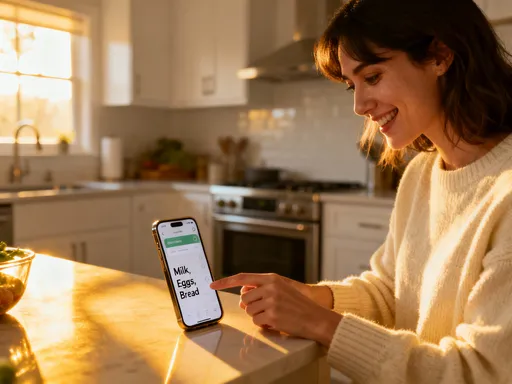
This wasn’t about spreadsheets or interest rates. It was about memory. About intention. The app allowed me to log small debts with a personal touch—like adding a note that said, “For Maya’s birthday gift fund” or “Gas money from our road trip.” I could tag friends by name, attach emojis, even set a friendly reminder tone that didn’t feel like a bill collector calling.
What surprised me most was how emotional it felt to use it. Every time I opened the app, I didn’t just see numbers. I saw people. I saw Lila’s smile when she bought my festival ticket. I saw Rachel’s face when I finally paid her back. The app didn’t shame me. It reminded me. It said, “Hey, this matters. She matters.” And slowly, I started to shift from feeling guilty to feeling grateful—for the friends who trusted me, and for the tool that helped me honor that trust.
The best part? It wasn’t complicated. No steep learning curve. No confusing settings. Just a clean, simple interface that made it easy to add, track, and close out small debts with kindness. It wasn’t cold or robotic. It felt like a quiet nudge from a wise friend: “Don’t forget—someone’s counting on you.” And in a world where we’re constantly pulled in ten directions, that gentle reminder made all the difference.
How It Works: Turning Forgetfulness into Thoughtfulness
Let me walk you through how it actually works in real life—because I know how easy it is to download an app and never use it. This one stuck because it fit into my routine, not the other way around.
Here’s how it started: after my talk with Rachel, I opened the app and created my first reminder. I typed in $35, selected her name from my contacts, added the note “Gas for cabin trip,” and set a reminder for two days later. Simple. No stress. And when the notification popped up—“Friendly reminder: Pay Rachel for gas”—it didn’t feel like a chore. It felt like an opportunity to do something kind.
Now, I use it for all kinds of little things. When we have our monthly book club potluck, I log who brought wine, who paid for dessert, and set a reminder to Venmo them the next day. When my niece stayed with us and I covered her train ticket, I added it with a heart emoji and a note: “Welcome visit!” That way, I don’t forget, and when I pay her back, it feels personal, not robotic.
One of my favorite features is the ability to set recurring reminders. For example, my sister and I split the cost of our mom’s weekly grocery delivery. Instead of trying to remember every Sunday, I set up a monthly alert: “Send half to Sarah for Mom’s groceries.” It’s one less thing on my mental load, and it means I never miss a payment. Plus, my sister noticed. “You’ve been so on top of this lately,” she said. “It means a lot.” And that? That’s the real win.
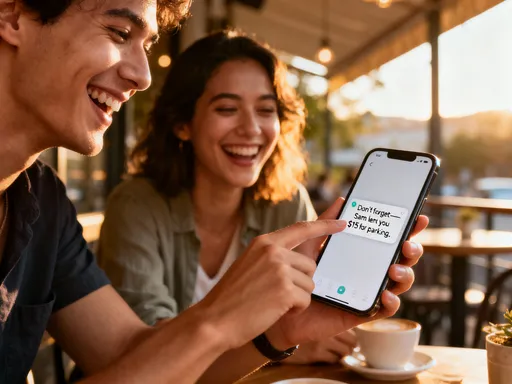
The app also sends me kind, non-shaming messages. Instead of “Overdue: $20,” it says, “Don’t forget—Sam lent you $15 for parking! Time to return the favor?” It’s playful. It’s human. And it makes me want to act, not avoid. I’ve even started using it to remember non-money things—like birthdays or anniversaries—by adding a note and setting a reminder to send a card or text. It’s become less of a finance tool and more of a care tool.
Rebuilding Trust, One Reminder at a Time
Here’s what I didn’t expect: the ripple effect. Paying people back on time didn’t just clear my conscience—it rebuilt trust. I started noticing how my friends responded differently. They seemed more relaxed around me. More open. More willing to lend, to share, to plan together.
Take my neighbor, Diane. We often carpool to our weekly yoga class. A few months ago, I forgot to pay her for gas three times in a row. She never said anything, but I could tell she was keeping score. Then I started using the app. I logged each ride, set a reminder, and paid her the same day. After a few weeks, she smiled and said, “You know, I really appreciate how consistent you’ve been. It makes sharing easier.” That small acknowledgment meant the world to me.
But it went deeper than convenience. Over time, our conversations changed. We started talking about more than just yoga and traffic. We shared stories about our kids, our worries, our dreams. Because when the little things are handled with care, the big things feel safer to talk about. Reliability builds emotional safety. When people know they can count on you—even for small things—they start to trust you with the big ones.
I’ve seen this in other friendships too. When I pay someone back quickly, they don’t just say “thanks.” They say things like, “You always follow through,” or “I feel like I can count on you.” And those words? They strengthen the bond. They say, “You’re not just a friend. You’re a dependable one.” And in a world where so much feels uncertain, being someone others can rely on is one of the greatest gifts we can offer.
Beyond Repayments: Using Tech to Deepen Connection
Here’s the beautiful part: this app didn’t just fix my money habits. It helped me become more intentional in all areas of my relationships. I started seeing technology not as a distraction, but as a tool for connection—when used with heart.
Now, I use the app to plan surprises. When my best friend’s birthday was coming up, I created a reminder two weeks in advance: “Order custom mug for Jen!” I attached a photo of the design and set a follow-up alert to ship it. When she opened it, she was so touched. “You remembered the inside joke from our college trip!” she said. I didn’t just remember—I made sure I wouldn’t forget.
I’ve also started using it to track shared experiences. After a weekend hike with my cousin, I added a note: “We owe each other a camping trip!” and set a reminder for six months later. It’s not about debt—it’s about keeping promises. About saying, “I value this time with you, and I want to do it again.”
Even with my grown daughter, who lives in another city, I use it to stay connected. When she helped me fix my laptop, I logged it with a note: “Tech support from my brilliant girl!” and set a reminder to send her a thank-you gift. It’s my way of saying, “I see you. I appreciate you.” And when she gets the gift, she texts back, “Mom, you didn’t have to do that!” But I want to. Because these small acts, powered by a simple reminder, are how I show love.
Technology often gets blamed for making us distant. But when we use it to support care, attention, and follow-through, it can actually bring us closer. It’s not about replacing human connection. It’s about enhancing it. It’s about using tools to be the kind of friend, sister, mom, and neighbor we truly want to be.
A Lighter, Closer Life: What Changed for Me—and Can for You
Looking back, I realize the app didn’t just solve a practical problem. It helped me reclaim a part of myself I hadn’t even noticed was missing—the part that wants to be thoughtful, reliable, and fully present in my relationships. I used to carry around a low hum of guilt, a mental list of debts and promises I hadn’t kept. Now, that noise is gone. My mind feels clearer. My heart feels lighter.
I’m not perfect. I still forget things. But now, I have a system that helps me make it right—quickly, kindly, and without shame. And that has transformed not just my finances, but my friendships. I initiate plans more. I answer calls without hesitation. I show up—fully—because I’m not weighed down by the things I’ve left undone.
The women I’ve shared this with tell me the same thing: “I didn’t know how much this was affecting me until I fixed it.” One friend said she and her sister hadn’t spoken in months because of an unspoken debt over a vacation. After using the app to settle it, they reconnected and ended up planning another trip together. Another told me she finally paid back her college roommate after eight years—“and we’re friends again.”
So here’s what I’ve learned: small acts of care matter. Remembering to pay someone back isn’t just about money. It’s about respect. It’s about saying, “You matter to me.” And when we use technology not to replace human warmth, but to support it, we create space for deeper, more honest, and more joyful connections.
You don’t need a perfect system. You don’t need to track every penny. You just need one small tool that helps you stay aligned with your values—with being the kind of person who follows through, who remembers, who shows up. Because in the end, it’s not about the $15 for parking. It’s about the relationship behind it. And that’s worth protecting.