More than lessons: Video platforms that quietly reshaped my daily habits
Have you ever started watching a quick tutorial just to fix something, only to realize weeks later that you’re doing it differently—and better? I didn’t set out to change my routines, but over time, those short videos became quiet companions in my growth. They didn’t shout solutions; they simply showed up, step by step, until small actions became second nature. This is how real change begins—not with force, but with consistency, guided by the right tools. And for me, that tool wasn’t a planner, a coach, or even a book. It was a screen, glowing with simple videos that met me exactly where I was—tired, curious, and ready for something just a little easier.
The Unlikely Habit Builder: How Video Tutorials Found Their Way Into My Daily Life
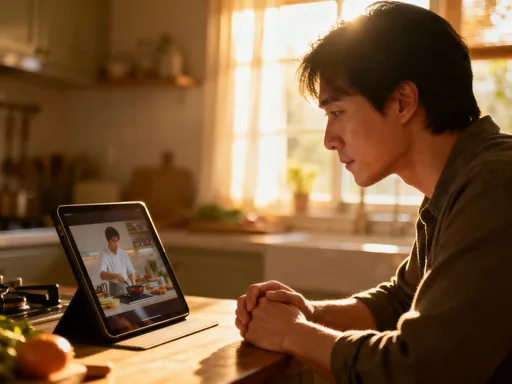
It started with a leaky faucet. Nothing dramatic—just a slow drip that had been nagging at me for weeks. I remember standing in the kitchen, staring at the sink, wondering if I should call a plumber… again. Then, almost on impulse, I pulled out my phone and typed, “how to fix a dripping faucet.” Within seconds, a three-minute video popped up. A woman in a cozy kitchen, wearing an apron and speaking in a calm voice, walked me through it. She didn’t use fancy terms. She said things like “turn this nut clockwise” and “wrap the tape around the threads—just like wrapping a gift.” I watched it once. Then again. Then I grabbed my toolbox.
That night, with the video propped up on a stand, I fixed it. Not perfectly—but well enough. And more than that, I felt something shift. It wasn’t just about the faucet. It was the realization that I could do something I’d always assumed someone else had to do for me. That small win opened a door. The next week, I searched for “how to organize pantry shelves.” Then “easy weeknight pasta recipe.” Then “5-minute morning stretch.” Each time, the same pattern: a problem, a quick search, a video that made it feel doable. I wasn’t trying to transform my life. I wasn’t setting goals or tracking habits. I was just solving one little thing at a time—and somehow, those little things started adding up.
What surprised me most was how natural it felt. Unlike reading instructions or listening to a podcast, watching someone do something made it real. I could see their hands, their pace, their little mistakes and fixes. It felt like having a friend in the room with me, showing me how it’s done. And because the videos were short, I didn’t need a big chunk of time. I could watch one while waiting for the kettle to boil. Or during a commercial break. Or while folding laundry. Over time, these moments became part of my rhythm. I wasn’t “learning” in the formal sense—I was absorbing, adapting, and applying. And without even noticing, I had built a new habit: turning to video not just for entertainment, but for empowerment.
Why Repetition Feels Effortless When You Learn by Watching
Here’s something I’ve learned about habits: the hardest part isn’t knowing what to do. It’s doing it, especially when you’re tired, busy, or unsure. That’s where video tutorials have quietly changed the game for me. Because watching a skill being performed—over and over—makes it feel less like a challenge and more like a possibility. I didn’t realize it at first, but I was tapping into something powerful: the way our brains learn through observation.
Think about how children learn. They don’t read manuals. They watch. They copy. They try. And that’s exactly what these videos allow us to do as adults. When I started doing a five-minute morning stretch routine, I didn’t memorize the moves. I just played the same video every day. At first, I was awkward. My body didn’t move the way the instructor’s did. But after a few days, something clicked. My muscles started remembering. My breath synced with the movements. I wasn’t thinking—I was doing. That’s muscle memory in action, and it’s built not through force, but through repetition with guidance.
What makes video so effective is the combination of seeing and doing at the same time. Reading a description of a yoga pose is one thing. Watching someone move into it, hearing them cue the breath, seeing how their hands align—that’s a whole different level of clarity. And because the video is always there, I can pause, rewind, and try again without judgment. There’s no pressure to get it right the first time. There’s just the quiet encouragement of “let’s try this together.” This low-pressure repetition removes the fear of failure. It turns learning into a gentle practice, not a performance.
I’ve applied this to so many areas: journaling, meal prep, even speaking a little Spanish. I found a channel that teaches basic phrases with real-life scenarios—ordering coffee, greeting neighbors, asking for directions. I watch the same clip every morning while I drink my tea. I repeat the words out loud. I don’t aim for fluency. I just aim to understand a little more each day. And slowly, it’s working. The other day, I surprised myself by understanding most of what a Spanish-speaking neighbor said. That small moment of connection reminded me that learning isn’t about big leaps. It’s about tiny, repeated steps—guided by a screen, but lived in real life.
Finding the Right Pace: How On-Demand Learning Fits Real Life
One of the biggest lies we’ve been sold about self-improvement is that it requires perfect timing. That we need hours of focus, a quiet house, and total motivation. But real life doesn’t work that way. There are dishes, calls, kids, pets, and endless to-do lists. That’s why the beauty of video learning isn’t just in the content—it’s in the control. The ability to pause, rewind, rewatch, and resume on my own terms has made all the difference.
I remember trying to learn a new workout routine from a fitness book years ago. I’d read the instructions, try the moves, forget them by the next day. It felt frustrating and isolating. But when I switched to video, everything changed. I could watch the instructor do a lunge with proper form, pause the video, try it myself, and then rewind to check if I was doing it right. I could do ten minutes here, five minutes there. I didn’t need a full hour. I didn’t need a gym. I just needed my phone and a little space on the living room floor.
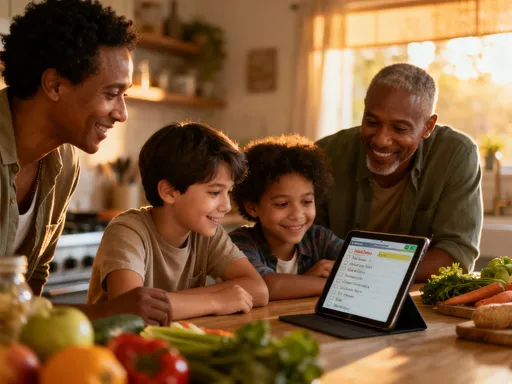
This flexibility has allowed me to fit learning into the cracks of my day. While my daughter naps, I practice a simple guitar chord progression I found on a beginner-friendly channel. On Sunday evenings, I follow a meal prep tutorial, pausing between steps to chop vegetables or label containers. During lunch breaks, I watch a short video on mindful breathing techniques. These aren’t grand, scheduled “learning sessions.” They’re small, intentional moments that add up. And because I’m in control, there’s no guilt if I don’t finish. I can come back tomorrow. I can watch it again. The video waits for me.
This on-demand nature removes the pressure that often kills good intentions. I’m not racing against a clock. I’m not comparing myself to a class or a timeline. I’m moving at the pace that works for me. And that, I’ve realized, is the secret to sustainability. Change doesn’t happen in bursts. It happens in consistent, manageable doses. Video platforms have given me the gift of learning that fits my life—not the other way around.
From One-Off Fix to Lifelong Skill: The Shift That Happens Over Time
At first, I saw video tutorials as quick fixes. Need to fix a shelf? Watch a video. Want to braid your daughter’s hair? Search for a tutorial. These were isolated tasks, solved in the moment. But over time, something deeper started to happen. Those isolated moments began to build something I didn’t expect: confidence. Not the loud, flashy kind—but the quiet, steady belief that I can figure things out.
Take home repairs, for example. I used to call someone for anything beyond tightening a screw. Now, I’ve replaced a light fixture, unclogged a drain, and even installed a smart thermostat—all guided by videos. Each time, I started with uncertainty. Each time, I followed step-by-step. And each time, I came out on the other side with more than a fixed problem. I came out with a new skill. More importantly, I came out with the knowledge that I can learn. That mindset shift—from “I can’t do this” to “I haven’t learned it yet”—has been life-changing.
The same has happened with self-care. I used to think of skincare as something complicated, full of products I didn’t understand. Then I found a dermatologist who breaks down routines in simple, practical videos. She explains why each step matters—cleansing, moisturizing, sun protection—not with jargon, but with clarity. I started with one product. Then added another. Now, my morning and evening routines are calm, consistent moments of care. It’s not about looking perfect. It’s about feeling like I’m taking good care of myself.
These skills didn’t come from a single video. They came from watching, trying, adjusting, and repeating. And as they piled up, they began to shape a new identity. I no longer see myself as someone who needs help with everything. I see myself as someone who learns. Who tries. Who grows. That’s the quiet power of video learning: it doesn’t just teach you how to do something. It teaches you that you can.
Building a Personal Toolkit: Curating Content That Grows With You
Early on, my video watching was random. I’d follow recommendations, click on thumbnails, and end up watching everything from cake decorating to backyard gardening. There was joy in the discovery, but also a sense of being scattered. I wasn’t sure what I was really learning or why. Then I realized: I could be more intentional. I could curate my learning, just like I curate my playlists or my bookshelf.
So I started organizing. I created playlists with names like “Calm Mornings,” “Learn Spanish Slowly,” and “Easy Family Dinners.” I subscribed to channels that felt trustworthy, clear, and kind—people who taught with patience, not pressure. I stopped watching videos just because they were popular and started choosing ones that aligned with my goals. This small shift changed everything. Instead of consuming content, I was building a personal development system.
Now, when I feel overwhelmed, I go to my “Mindful Minutes” playlist—short videos on breathing, gentle movement, and positive affirmations. When I want to connect with my daughter, I pull up “Simple Crafts for Kids” and we make something together. When I want to feel more confident in my body, I follow a yoga series from a teacher who emphasizes self-acceptance over perfection. These playlists aren’t just collections of videos. They’re tools I return to again and again, like trusted friends who know exactly what I need.
And the best part? This toolkit evolves with me. Last year, I added a playlist on basic financial literacy—simple videos on budgeting, saving, and understanding bills. This year, I’m starting one on mindful communication, with tips on listening, expressing gratitude, and setting gentle boundaries. These aren’t skills I expected to learn from video platforms, but they’ve become some of the most valuable. By curating with intention, I’ve turned a stream of content into a lifelong learning path—one that grows as I do.
The Hidden Support System: Learning in Public, Growing in Private
Here’s something I didn’t expect: how comforting it feels to learn alone, yet not feel alone. When I’m watching a video late at night, after the house is quiet, I sometimes read the comments. And what I find surprises me every time. Hundreds, sometimes thousands, of people saying things like “First time trying this—wish me luck!” or “I’ve watched this five times. Getting better each time.” Or simply, “Thank you. This helped.”
These comments remind me that I’m not the only one learning, stumbling, and trying. There’s a quiet community in these spaces—people from all over the world, at different stages, all reaching for something better. I don’t interact with them. I don’t need to. Just knowing they’re there, in the same boat, makes a difference. It normalizes the struggle. It celebrates small progress. It says, “You’re not failing. You’re learning.”
And the creators? Many of them share their own mistakes, their learning curves, their imperfect homes and lives. One cooking channel I love shows the host burning a dish, laughing, and starting over. “It happens,” she says. “Let’s try again.” That moment of honesty made me feel permission to be imperfect too. I don’t need to get it right the first time. I don’t need to be flawless. I just need to keep going.
This quiet support system—built on shared experience, not performance—has given me resilience. When I feel like giving up on a new habit, I remember those comments. I remember the creator who said, “I didn’t think I could do this either.” And I keep going. I don’t need applause. I don’t need a certificate. I just need to know that growth is possible, one small step at a time. And these platforms, in their own quiet way, remind me of that every day.
Lasting Change, One Click at a Time: What My Habits Look Like Now
If I look at my life today, I see the quiet imprint of those videos everywhere. My mornings start with a stretch routine that leaves me feeling centered. My kitchen is organized, my meals planned, my confidence in cooking growing. I fix things instead of fearing them. I speak a few words in Spanish. I breathe more deeply. I listen more patiently. These aren’t dramatic transformations. They’re subtle shifts—small habits, quietly adopted, that have reshaped my days.
And the most beautiful part? I didn’t do it alone, but I did it myself. The videos didn’t change me. They guided me. They showed me the way, step by step, until I could walk it on my own. They met me with kindness, clarity, and patience—exactly what I needed, exactly when I needed it.
I used to think of technology as something that distracts, overwhelms, or pulls us away from real life. But these platforms have taught me that technology can also connect, empower, and support. They’ve become my quiet teachers, my gentle coaches, my personal toolkit for growth. They haven’t replaced human connection or real-world experience. Instead, they’ve enhanced them—giving me the skills and confidence to show up more fully in my life.
If you’ve ever watched a video just to fix something, to learn something, or to feel a little less alone—you know what I mean. It’s not about the screen. It’s about what happens after. It’s about the new habit you start, the confidence you gain, the way you begin to see yourself differently. So the next time you click play on a tutorial, remember: you’re not just watching a video. You’re taking a step—one small, quiet, powerful step—toward the person you’re becoming. And that, I’ve learned, is where real change begins.