Tired of Losing Precious Family Stories? How We Saved Them in One Weekend
Family stories hold love, lessons, and laughter—but too often, they fade before we realize their value. I nearly lost my grandmother’s childhood memories during a quiet Sunday call. That moment sparked a change. Using simple tech, my family began recording her stories over a single weekend. What started as a small project brought us closer, preserved priceless moments, and gave us something no photo album could: voices, emotions, and history alive. This is how we did it—and how you can too.
The Moment We Realized We Were Losing More Than Just Words
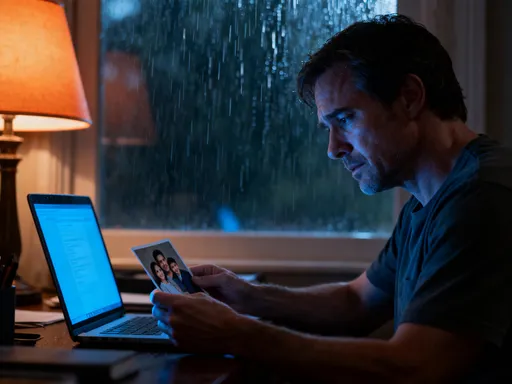
It was a regular Sunday afternoon when I called my grandmother just to check in. We chatted about the weather, her garden, and what she’d made for dinner. Then, almost by accident, I asked her about the house she grew up in. Her voice softened, and she began to describe the big maple tree in the front yard, the way the porch swing creaked, and how her mother used to call her in for supper just as the fireflies came out. I could hear the smile in her voice. But then she paused and said, “You know, I don’t remember the name of the street anymore.”
That moment hit me like a quiet thunderclap. Here was a woman who had lived nearly a century of rich, full life—raising children, surviving hard times, building a home—and so much of it was slipping away, not because anyone stopped caring, but simply because no one had thought to ask while there was still time. It wasn’t that we hadn’t loved her stories; we just assumed they’d always be there. But memories aren’t like photos or letters. They’re fragile. They fade, change, or disappear when we’re not looking.
I realized then that we weren’t just losing names of streets or old addresses—we were losing pieces of who we are. The way my grandfather used to whistle while he fixed the car. The recipe for the pie my aunt swore was “just like Grandma’s.” The story of how my parents met during a snowstorm at a train station. These weren’t just anecdotes; they were threads in the fabric of our family. And if we didn’t start weaving them into something permanent, they’d unravel for good.
What made it worse was knowing I wasn’t alone. So many of my friends had similar regrets—waiting too long, asking too late, or not knowing how to begin. But here’s the good news: it doesn’t have to be complicated. We don’t need fancy equipment or perfect timing. We just need to start. And sometimes, one conversation—one weekend—is all it takes to change everything.
Choosing the Right Tool: Simple Tech That Anyone Can Use
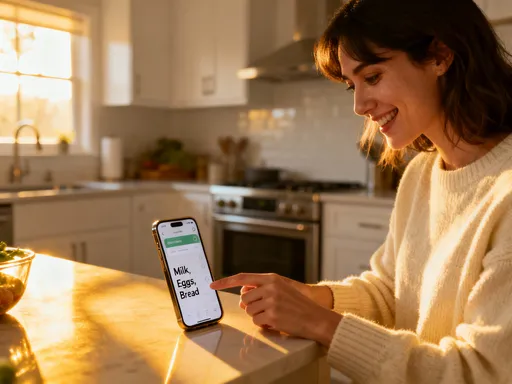
When we decided to record my grandmother’s stories, the first thing we worried about was technology. Would we need a professional microphone? A soundproof room? Some complicated editing software that would take weeks to learn? The truth is, we already had everything we needed—in our pockets. Our smartphones. What surprised me most was how easy it actually was to capture high-quality audio with just the built-in voice memo app.
We tested a few different options at first—some free apps, some pre-installed ones—and what mattered most wasn’t the brand or the features, but how simple it felt to use. We wanted something that didn’t require reading instructions, didn’t crash, and didn’t ask us to create an account or log in. The app we finally chose was clean, intuitive, and worked the same way on both iPhones and Androids. One tap to start, one tap to stop. That’s it. No confusing menus, no hidden settings. Even my 78-year-old uncle figured it out in under a minute.
But the real game-changer was the cloud backup. Once we recorded a session, the audio automatically saved to a private folder we shared with close family members. No emailing large files, no worrying about losing a USB drive or a single phone. It was there, safe, accessible from any device, and protected with a password only we knew. That peace of mind made all the difference. We weren’t just recording memories—we were archiving them.
And let’s be honest—none of us are tech experts. My mom still calls Wi-Fi “the wireless thing,” and my cousin once tried to charge her phone by putting it in the microwave (don’t laugh—we’ve all had that moment). But this wasn’t about being tech-savvy. It was about being present. The tool didn’t need to be flashy; it just needed to work. And it did. Over that weekend, we recorded more than six hours of stories, all with equipment we already owned and software we didn’t have to pay for.
Planning a Weekend That Felt Like Reunion, Not Homework
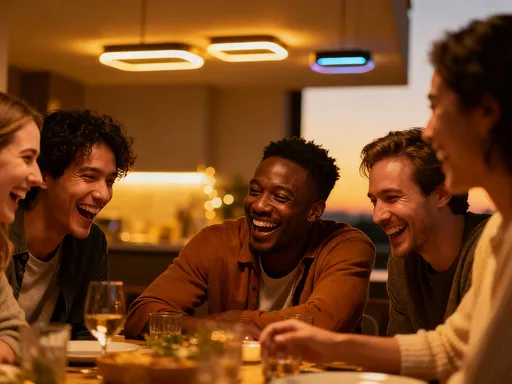
One of our biggest fears was that recording stories would feel like an assignment—something stiff, formal, and stressful. We didn’t want Grandma sitting in a chair like she was being interviewed for a documentary. We wanted her to feel comfortable, cherished, and completely herself. So we didn’t call it a “recording session.” We called it a “family weekend”—a chance to be together, laugh, and remember.
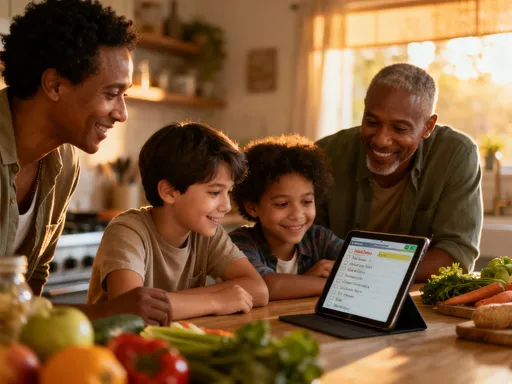
We planned it like any other visit. We picked a weekend when everyone could come—some drove two hours, one flew in from another state. We set up the living room with soft lighting, comfy chairs, and a little table with her favorite tea, cookies, and a few old photo albums. The recordings weren’t the focus—they were part of the warmth. We’d talk for a while, someone would laugh at an old picture, and then, gently, we’d press record and let the conversation flow.
The key was keeping it light. We didn’t have a strict schedule. No one was rushed. If Grandma wanted to take a nap, we paused. If she wanted to tell a story about her dog instead of her school days, we listened. There was no right or wrong way to do this. We weren’t trying to collect every detail of her life—we were trying to capture the feeling of being together.
We also made sure everyone felt included. My teenage niece helped organize the files. My brother played back a clip of Grandma singing an old lullaby that none of us had ever heard. My mom shared a story about her own childhood that sparked a whole new conversation. It became less about preserving the past and more about connecting in the present. And that’s when the magic happened—when we stopped seeing it as a project and started seeing it as a gift.
Asking the Right Questions—Without Making It Feel Like an Interview
At first, we were nervous about what to ask. We didn’t want to sound like reporters or therapists. We just wanted to listen. So we prepared a few gentle, open-ended questions—not as a script, but as a guide. Things like, “What was your first job like?” or “What made you fall in love with Grandpa?” or “What’s one thing you wish your younger self had known?” These weren’t meant to be answered in order, but to spark memories that might not come up in everyday talk.
What surprised us was how much came out between the questions. When Grandma described working at the local drugstore after school, she didn’t just talk about the job—she remembered the smell of the soda fountain, the way the bell jingled when someone walked in, and how she once dropped an entire tray of milkshakes. Her voice lit up as she told it, and we could hear the girl she once was, still alive in her laughter.
We learned to be patient. Silence wasn’t the enemy. Sometimes, after a question, she’d close her eyes and just sit for a moment. We didn’t rush in to fill the space. And more than once, the most powerful stories began with a long pause. “You know,” she said once, after a quiet moment, “I never told anyone this, but…” That one sentence opened a door to a memory she’d carried for sixty years—about a friendship she’d lost during the war, and how it still made her cry sometimes.
We also discovered that the best questions were the ones tied to the senses. “What did Sunday dinners smell like?” “What song was playing when you danced with Grandpa for the first time?” These tiny details brought the past to life in a way dates and facts never could. They weren’t just stories—they were experiences. And by asking in a way that felt natural, not forced, we created a space where memories could return gently, like old friends.
Turning Recordings into a Shared Family Treasure
After the weekend, we had hours of audio—laughter, pauses, stories, even the sound of Grandma sipping her tea between sentences. At first, it felt overwhelming. How would we keep track of it all? But we quickly realized we didn’t need to turn it into a movie or a book. We just needed to organize it in a way that made sense for our family.
We started by naming the files clearly: “Grandma – Childhood Home,” “Grandma – Meeting Grandpa,” “Grandma – First Job.” We grouped them by theme, not by date, so it was easy to find what we wanted later. Then we uploaded everything to a private cloud folder—one we could all access but no one else could see. We added a simple text file with a short description of each recording, just in case someone wanted context years from now.
Some families go further. A friend of mine turned her grandfather’s stories into a digital scrapbook, pairing audio clips with old photos and letters. Another family created a short audio montage they play every Thanksgiving, like a modern-day family heirloom. We haven’t done that yet, but we’ve started sharing clips during family calls. Last month, when my cousin’s daughter was nervous about starting high school, we played the recording of Grandma talking about her first day at work. “I was terrified,” she said, “but I showed up anyway.” My niece listened quietly, then said, “I think I can do it too.”
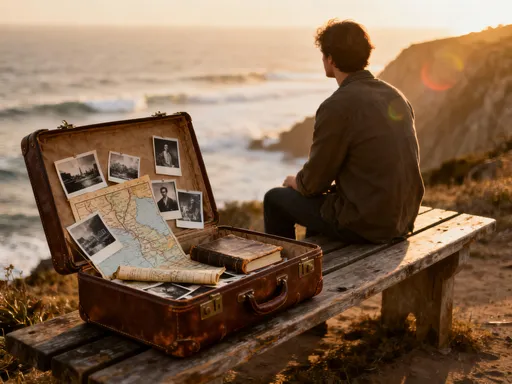
The beauty of it is that these recordings aren’t frozen in time—they’re living. They grow with us. A story that means one thing to me today might mean something different to my daughter when she’s my age. And that’s the point. We’re not just saving words. We’re passing on wisdom, courage, and love—in the very voice that lived it.
The Measurable Impact: Closer Bonds, Clearer Identity
In the weeks after our weekend together, something shifted in our family. It wasn’t dramatic, but it was real. We started talking more—not just about logistics or schedules, but about feelings, values, and memories. My younger cousins, who used to scroll through their phones during family dinners, now ask, “Can we listen to one of Grandma’s stories?” One of them even recorded a short message for her baby nephew: “This is what Grandpa used to say before bed…”
Parents told me they noticed their kids referencing things from the recordings—like when my nephew argued against giving up on a tough science project by saying, “Grandma didn’t quit when her boss said she couldn’t be a manager. I’m not quitting either.” It wasn’t just inspiration—it was identity. He wasn’t just hearing a story; he was seeing himself in it.
One of my uncles, who’s always been quiet, pulled me aside and said, “I never realized how much I didn’t know about Mom. I mean, I knew her, but I didn’t *know* her. Now I do.” His voice cracked a little, and I felt my own eyes water. That’s when I understood: these recordings weren’t just about the past. They were healing the present. They were helping us understand where we came from, what we’ve survived, and why we matter.
And the best part? It didn’t take years. It didn’t take money. It took one weekend of listening, of being present, of pressing a button. But the ripple effect has been lasting. We’re not just a family who shares holidays and birthdays—we’re a family who shares stories. And that changes everything.
Start Small, Start Now: Your Weekend Could Change Everything
If I could say one thing to you, it would be this: don’t wait. You don’t need perfect conditions. You don’t need to record for hours. You don’t even need to invite the whole family. Just pick one person—your mom, your aunt, your father-in-law—and ask one question. Use the voice memo app on your phone. Sit on the porch, in the kitchen, or in the car. Press record. Let them talk. Listen. That’s it.
You might think, “But what if they don’t want to talk?” I’ve heard that from so many women—busy moms, daughters, sisters—who worry they’ll be pushing too hard. But here’s what I’ve learned: most older relatives *want* to be asked. They want to be remembered. They want to know their life mattered. And when you show up with curiosity and love, they feel seen in a way they haven’t in years.
And if you’re worried about doing it “right,” let me tell you: there is no right way. A five-minute clip of your dad humming an old tune is just as valuable as a two-hour life story. A story about burnt cookies is just as important as one about surviving a war. It’s not about grand events—it’s about the heart.
Think about it: fifty years from now, your grandchildren won’t care about your Wi-Fi password or your social media posts. But they’ll treasure the sound of your mother’s voice telling a story about her first bicycle. They’ll cry when they hear your grandfather laugh at his own joke. That’s the legacy you’re building—not with money or fame, but with moments.
So start today. Not tomorrow. Not “when things slow down.” Today. Open your phone. Find the voice recorder. Call someone you love. Say, “I’d love to hear about your childhood.” Then press record. You don’t have to be a tech expert. You don’t have to be a historian. You just have to be willing to listen. Because every story saved is a piece of your family’s heart preserved. And once you begin, you’ll wonder why you waited so long.