Tired of ‘I’ll figure it out later’? These tools finally made event planning feel effortless
Remember that moment when you’re juggling invitations, venues, and RSVPs, only to realize no one knows what’s happening? We’ve all been there—overwhelmed by group chats, missed messages, and plans that dissolve into chaos. But what if organizing an event didn’t mean stress and sleepless nights? I felt the same until I discovered tools that actually get how real life works—simple, human, and beautifully messy. These aren’t flashy apps with endless features. They’re quiet helpers that slip into your routine, make things easier without demanding attention, and let you focus on what really matters: being together.
The Real Struggle Behind “Let’s Get Together”
Let’s be honest—planning something as simple as a family dinner can feel like running a small business. You send a text, wait hours for replies, ask three times who’s bringing dessert, and still end up with half the group showing up an hour late. We all want to stay close to the people we love, but too often, the effort of getting together becomes the very reason we don’t. It’s not that we don’t care. It’s that we’re tired. Tired of chasing people down, tired of double-checking times, tired of being the only one who remembers the plan.
I remember trying to organize my mom’s 65th birthday dinner. I started two weeks ahead—sent a group message, made a list of preferred dates, asked about dietary needs. By day three, two cousins had already forgotten the date. One aunt replied to the wrong thread. My brother said he’d check his calendar “soon” and never followed up. The guilt started building. Was I asking too much? Was I being bossy? Or worse—was everyone just pretending to care while quietly hoping the whole thing would fall apart?
That’s the hidden cost of bad planning: it doesn’t just waste time. It chips away at connection. Every missed message, every last-minute cancellation, every awkward “Wait, was this today?” moment adds a tiny layer of emotional distance. We start to assume no one really wants to show up. So we stop asking. We tell ourselves, “Maybe next time.” But next time never comes. And before we know it, years have passed, and we’re wondering how we drifted apart.
The truth is, we don’t need more willpower. We need better support. We need systems that work with our lives, not against them. Because staying close shouldn’t feel like a part-time job. It should feel natural. It should feel easy. And thanks to a new wave of thoughtful technology, it finally can.
Why Most Tools Make It Worse, Not Better
You’d think with all the apps out there, planning an event would be simple. But how many times have you sent a link to an event platform only to hear, “I don’t have that app,” or “I can’t figure out how to RSVP”? I’ve lost count. I once tried using a popular event planner for my daughter’s birthday party. I sent the invite, felt proud of myself for being organized, and then… silence. A week later, I started calling people. “Oh,” one friend said, “I didn’t realize I had to sign in with Google. I thought it was just a link.” Another said, “I opened it on my phone, and it asked for a password I never set. I gave up.”
That’s the problem with so many tools—they assume everyone is tech-savvy, has the same devices, and is willing to jump through hoops just to say “I’m in.” They add steps instead of removing them. They require downloads, accounts, passwords, and tutorials. And the people who suffer most? Often the ones we most want to include—older relatives, busy parents, friends who aren’t glued to their phones.
I tried another app that promised “smart scheduling” by scanning everyone’s calendars. Sounds great, right? Except half my family still uses paper planners. My mom doesn’t even have email. So the “smart” tool didn’t work for her. It didn’t work for my sister, who uses a different platform. It didn’t work for my nephew, who’s on a basic phone. The more “advanced” the tool, the more people it left behind.
And let’s talk about app fatigue. How many of us are already juggling work emails, school apps, grocery lists, and social media? The last thing we want is another notification from another platform we barely understand. That’s why so many event apps fail—not because they’re bad, but because they ignore how real people live. They ask us to change our behavior instead of fitting into it. They treat event planning like a technical challenge, when it’s really a human one.
Technology should help us connect, not create new barriers. It should include, not exclude. And the good news? Some tools are finally getting that.
The Shift: Tools That Follow Human Behavior, Not Fight It
Imagine an event planner that doesn’t ask anyone to download anything. No logins. No passwords. No confusing menus. Instead, it works the way we already communicate—through text messages, email, or the messaging apps we use every day. That’s the quiet revolution happening now. A new kind of tool isn’t trying to replace how we talk. It’s making those conversations more effective.
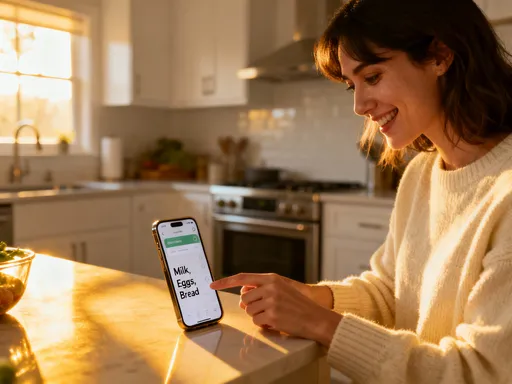
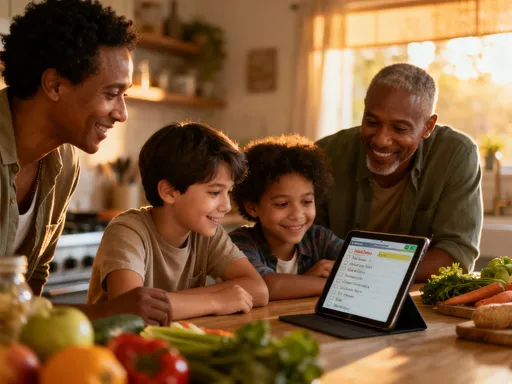
Here’s how it works: I pick a few possible dates for a family brunch. Instead of typing them out in a long message, I use a simple tool that turns my options into a clean, clickable list. It sends each person a link—right in their regular text thread. They tap their preferred time, and just like that, their choice is recorded. No app needed. No setup. My 70-year-old dad can do it on his old iPhone. My teen niece can do it without looking up from her music. And I get a clear view of who’s coming and when.
What makes this different isn’t just convenience. It’s dignity. No one feels slow, left out, or “bad with tech.” The tool adapts to them, not the other way around. And because it feels so natural, people actually respond. No more chasing. No more guessing. Just clarity, quietly delivered.
These tools also understand how messy real life is. Plans change. People forget. Traffic happens. So instead of sending one static invite, they keep the conversation alive. If someone hasn’t responded in a few days, the system sends a gentle nudge—like a friendly “Just checking in—can you let us know if you’re coming?” It doesn’t yell. It doesn’t guilt-trip. It just helps.
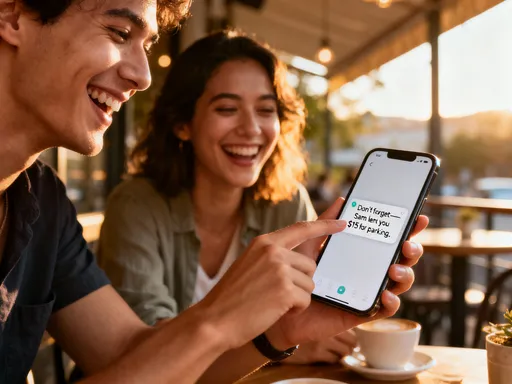
And when the date gets closer, it shares the location with live traffic updates, reminds people about parking, and even suggests nearby spots for coffee if someone arrives early. None of this feels like “technology.” It feels like having a thoughtful friend helping behind the scenes. That’s the goal—not to impress with features, but to disappear into the background while making everything smoother.
From Overwhelm to Ownership: One Person, One Click
One of the biggest shifts I’ve noticed is how these tools change the emotional load of planning. Before, I felt responsible for everything—tracking replies, sending reminders, updating changes. I was the unpaid project manager of every gathering. Now, I can set things up in minutes, and the tool takes over the follow-up. It’s not that I’m doing less. It’s that I’m doing what matters—choosing the date, picking the place, thinking about who should be there—without drowning in logistics.
Take my friend Maria’s recent baby shower. She was overwhelmed—newborn, sleepless nights, family visiting from out of town. I offered to help coordinate. Using one of these seamless tools, I created a simple invite with three time options, shared it in the family group, and let the system collect responses. When two aunts needed a ride, I arranged it using the built-in notes. When the weather changed and we moved the event indoors, the tool automatically updated everyone with the new address and parking details.
Best part? I didn’t have to send a single “Hey, just confirming…” message. No one missed the update. No one showed up at the wrong place. And Maria didn’t have to worry about a thing. She told me later, “I actually enjoyed my own shower. I wasn’t stressed about who knew what.” That’s the power of good design—not just efficiency, but peace of mind.
These tools don’t make you control the plan. They help you care for the people in it. You’re not bossing anyone around. You’re creating space for connection by handling the details with grace. And because it’s so low-effort, you’re more likely to do it again. Which means more gatherings. More joy. More moments that matter.
When Technology Fades Into the Background
The best tools don’t feel like tools at all. They’re like good lighting—when it’s right, you don’t notice it. You just see everything more clearly. I used to dread the week before any event, knowing I’d be glued to my phone, answering the same questions over and over. “What time?” “Where?” “Should I bring anything?” Now, those questions answer themselves.
Guests get automatic reminders two days before and the morning of the event. The message includes the time, address, a map link, and even a note like, “We’re so glad you’re coming!” It feels personal, not robotic. And if someone is running late, they can tap a button to say “On my way,” so no one worries.
I used this for a surprise anniversary party last year. We had 25 people coming from different cities. I was terrified someone would show up early or spill the surprise. But the tool let me send a “final details” message only to those arriving on time, with instructions like “Arrive by 5:30, text when you’re three blocks away.” Others got a separate reminder for the public time. No confusion. No stress. Just a perfect moment when everyone walked in together and saw the look on my parents’ faces.
That’s when I realized: the technology didn’t make the memory. Love did. But the tool made it possible. It held the details so we could hold each other. And isn’t that what we want from any tool in our lives? Not to dominate our attention, but to give us more of what we truly value—time, connection, presence.
Rebuilding the Habit of Gathering
Here’s what surprised me most: when planning gets easier, we do it more. I used to wait for “a good reason” to host—birthdays, holidays, big milestones. Now, I’ll text a small group, “Anyone free for coffee this Thursday?” and have a plan in 10 minutes. No drama. No endless back-and-forth. Just a simple yes or no.
My book club used to struggle with attendance. Someone always had a conflict, and we’d end up rescheduling three times before giving up. Now, we use a quick poll tool every month. We pick the date in a day, and attendance has nearly doubled. Why? Because it feels effortless. No one feels guilty for being busy. No one feels pressured to say yes. And when we meet, we’re actually present—because we weren’t exhausted by the planning.
Even my teenage daughter started inviting friends over more often. “It’s easier now,” she said. “I just send the link, and they tell me when they can come. No one gets left out.” That small shift has brought more laughter, more shared meals, more of those unplanned, beautiful moments that make life rich.
And it’s not just about fun. These tools are quietly rebuilding our sense of community. When we can gather without burnout, we stop seeing it as a chore and start seeing it as a gift. We remember how good it feels to sit across from someone, to hug a cousin we haven’t seen in years, to watch our kids play together while we talk about nothing and everything.
Connection isn’t just nice to have. It’s essential. And when the barriers come down, we naturally choose to be together more often. That’s the ripple effect of simple, human-centered tech—it doesn’t just change how we plan. It changes how we live.
A Calmer, More Connected Life Starts With One Decision
We don’t need more time. We need less friction. The tools we choose shouldn’t add to our mental load—they should lift it. And when it comes to staying close to the people who matter, even small shifts can make a big difference. I used to think event planning was about dates and venues. Now I know it’s about care. It’s about saying, “You matter. I want us to be together.”
The right tools don’t replace that feeling. They protect it. They handle the noise so we can hear the important things—the laughter, the stories, the quiet moments of “I’m so glad you’re here.” They help us follow through on our best intentions without burning out.
So if you’ve been putting off that family dinner, that reunion, that coffee date—know this: it doesn’t have to be hard. You don’t have to be perfect. You don’t have to do it all alone. There are tools now that understand real life—that work with your phone, your schedule, your messy, beautiful relationships.
Try one. Just one. Set up a small gathering. See how it feels to have the details handled, the reminders sent, the plan clear. See how it feels to stop worrying and start enjoying. Because connection isn’t just something we do. It’s who we are. And when technology helps us be that—more present, more peaceful, more together—it’s not just useful. It’s meaningful.