Tired of Missing Family Moments Because of Work Chaos? This App Setup Changed Everything
We’ve all been there—racing through the workday, only to realize we missed our child’s call or forgot to confirm dinner plans with our partner. The blur of emails and meetings can quietly steal time from what matters most. I remember one Tuesday afternoon, deep in a spreadsheet, when my phone buzzed five times in a row. By the time I glanced at it, my daughter had left a voicemail: "Mom, I made you a drawing. I just wanted to show you." My heart sank. I hadn’t even noticed her trying to reach me. That moment hit hard. It wasn’t the first time work had pulled me away from something small but sacred. The constant ping of notifications, the back-to-back Zoom calls, the mental load of juggling deadlines and school pickups—it was all blending into one exhausting cycle. I wasn’t just tired; I felt absent. And that’s when I asked myself: what if the very tools that seem to steal my time could actually help protect it?
The Moment I Realized Work Was Stealing My Family Time
That voicemail from my daughter was the wake-up call I didn’t know I needed. She was only seven at the time, and every little thing she did—her drawings, her jokes, the way she pronounced big words—felt like a gift. But I kept missing them. Not because I didn’t care, but because my workday had no rhythm, no boundaries. I’d start answering emails at 6 a.m., still in my robe, and by 8 p.m., I’d be closing tabs, mentally drained but never truly done. The worst part? I wasn’t even being more productive. I was just reacting—jumping every time my phone buzzed, switching tabs, pausing dinner conversations to reply to a message. I was present in neither world, stretched thin between my job and my family.
One evening, after another canceled movie night due to a last-minute work request, my husband gently said, "You’re here, but you’re not really here." That stayed with me. It wasn’t about working too much; it was about being mentally scattered. I’d become a ghost in my own home—physically present but emotionally distant. The guilt was heavy. I loved my job, but I didn’t want to look back years from now and realize I’d missed the small, beautiful moments in between. I knew I couldn’t quit my job, and I didn’t want to. But I needed a change—one that didn’t require grand gestures or dramatic overhauls. I needed something simple, sustainable, and within my control. That’s when I turned to the one thing I used all day, every day: my apps.
Why Default App Settings Work Against Family Connection
Here’s the truth: most of the apps we use for work weren’t designed with family life in mind. They’re built for speed, urgency, and constant engagement. Think about it—your email pings for every new message, your calendar sends reminders 15 minutes, then 5 minutes, then "you’re late!" and your messaging app lights up with every single reply in a group thread. These features are meant to keep you on track, but they also keep you on edge. They train us to respond immediately, even when it’s not necessary. And over time, that constant state of reactivity chips away at our ability to focus on anything that doesn’t buzz, beep, or flash.
I started to notice how often I’d be reading a bedtime story and suddenly feel the urge to check my phone. Not because I was expecting anything urgent, but because my brain had been conditioned to respond to every alert. That’s when I realized: the problem wasn’t me. It wasn’t that I lacked discipline or time management skills. The problem was that my tools were working against me. They were designed to capture attention, not protect it. And in a world where family time is already limited, that’s a serious issue. I didn’t want to be a slave to my notifications. I wanted my technology to support my priorities, not dictate them. So I made a decision: if the default settings weren’t serving my life, I’d change them.
Rethinking Notifications: Creating Calm in the Chaos
The first thing I tackled was notifications. I went into the settings of my email, calendar, and messaging apps and started turning things off—not all at once, but thoughtfully. I disabled desktop pop-ups for email. I turned off sound alerts for non-urgent messages. I set my work chat app to "priority only" mode during evenings and weekends. And I used "Do Not Disturb" not as a temporary fix, but as a daily rhythm—activating it during family dinner, bedtime routines, and weekend outings.
At first, it felt strange. I kept checking my phone out of habit, half-expecting an emergency. But nothing happened. No one was upset. No deadlines were missed. In fact, the opposite occurred: people started adapting to my new rhythm. If something was truly urgent, they called. Otherwise, they knew I’d respond during work hours. I also created a "focus mode" on my devices—a preset that silenced everything except calls from my family and calendar alerts for important meetings. This small shift gave me back a sense of control. Instead of reacting to every ping, I could choose when to engage. And that made all the difference. I wasn’t ignoring work; I was being more intentional about it. And during family time, I could finally be fully present—listening to my daughter’s stories without mentally drafting replies to emails.
Scheduling with Intention: Building Family Time Into Workday Rhythms
Next, I turned to my calendar. I used to treat it like a battlefield—every block of time was either a meeting or a race against the clock. But I started using it differently. I began blocking what I call "family anchors"—non-negotiable times for connection. Every day, I scheduled a 15-minute call with my daughter during her lunch break at school. I blocked 6:30 to 7:30 p.m. for family dinner, no exceptions. And on weekends, I added "slow mornings"—time with no agenda, just being together.
At first, I felt guilty, like I was stealing time from work. But then I reframed it: these weren’t distractions. They were commitments—just like any other meeting. I gave them titles like "Parent-Teacher Call" or "Family Check-In" so they looked official on my calendar. I even color-coded them in soft blue, a visual reminder that these moments mattered. Over time, my colleagues got used to seeing these blocks. Some even started doing the same. One coworker told me, "I never thought of family time as something to schedule. Now I do it too." That’s when I realized: when we treat personal time with the same respect as work time, we send a message—both to others and to ourselves—that our lives outside work are valuable.
Shared Digital Spaces That Strengthen Connection
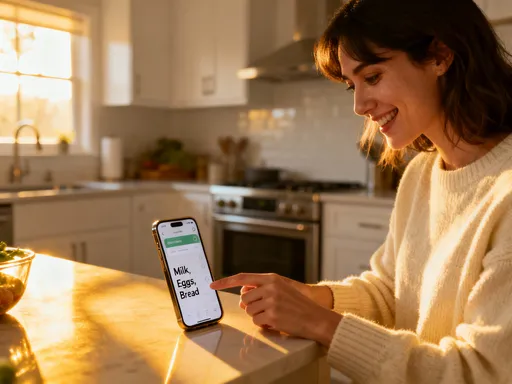
One of the most beautiful changes came from creating shared digital spaces. I set up a simple family note board in a collaborative app we already used for work projects. It wasn’t fancy—just a shared space where we could leave messages, photos, or little reminders. My daughter started posting drawings with captions like "Made this for you, Mom!" My husband added grocery lists and sweet notes. I began sharing voice memos during my lunch break—just a quick "Thinking of you" or "How was school today?"
These small digital gestures created a thread of connection throughout the day. Instead of feeling like I was disconnected during work hours, I felt woven into the rhythm of home life. We also created a shared photo album that updated automatically from our phones. Every time someone took a picture—a flower in the garden, a silly face at breakfast, a sunset after work—it appeared in the album. At the end of the day, we’d scroll through it together, laughing and catching up. It wasn’t just about seeing the photos; it was about feeling included, even when we were apart. Technology, which once felt like a barrier, became a bridge. And the best part? We were already using these tools. I didn’t need to download anything new or learn a complicated system. I just used what we had—differently.
The Power of Small Tech Habits in Building Big Emotional Returns
What surprised me most was how tiny habits, powered by simple tech tweaks, led to big emotional shifts. I set a daily reminder at 3:30 p.m. to send a text to my daughter—just a heart, a joke, or a "Can’t wait to see you." I scheduled a five-minute video call every Friday morning with my mom, who lives across the country. I used a shared checklist for weekend plans so everyone could contribute ideas.
These weren’t grand gestures, but they added up. My daughter started saving her stories for me, knowing I’d be available to listen. My husband said I seemed "lighter," more engaged at home. And I noticed something in myself: I wasn’t carrying the weight of guilt anymore. I wasn’t trying to do it all at once. I was showing up in small, consistent ways—and that was enough. The apps weren’t doing the emotional work for me, but they were supporting it. They were helping me stay connected, not distracted. And that made a world of difference. It wasn’t about working less; it was about living more—within the same hours, the same days, the same life.
Reclaiming Presence: Technology as a Bridge, Not a Barrier
Looking back, I realize that the problem was never technology itself. It was how I was using it. I had treated my apps as tools for survival—ways to keep up, stay busy, and check things off. But when I started using them with intention, they became tools for living. They helped me protect what matters most: time with my family, presence in the moment, and peace in my mind.
Today, my phone doesn’t feel like an enemy. It feels like a helper—when I let it. I still get busy, and some days are harder than others. But now I have systems in place that support me, not sabotage me. I’m not perfect, but I’m present. And that’s the gift I wanted to give my family all along. If you’re feeling pulled in too many directions, I want you to know this: you don’t have to choose between being good at your job and being there for your loved ones. With a few thoughtful changes to how you use the apps you already have, you can do both. Technology doesn’t have to steal your time. It can help you reclaim it. And in a world that never slows down, that might be the most powerful thing of all.