I thought it wouldn’t happen to us: How a quiet alarm gave our family something priceless
You know that moment when you're lying in bed, and a flicker of worry crosses your mind—did I turn off the stove? We’ve all been there. For years, I brushed it off as normal concern. But after a close call with a gas leak we didn’t even detect, everything changed. It wasn’t drama—just a silent, invisible threat in our home. What followed wasn’t fear, but relief. Because one small device didn’t just warn us—it protected our peace, our health, and our everyday life in ways I never expected. And now, I can’t imagine living without it.
The Moment Everything Changed
It was a Tuesday evening—nothing special. My daughter was finishing homework at the kitchen table, my husband was folding laundry in the living room, and I was reheating leftovers. Nothing felt out of place. But later that night, I woke up with a dull headache, a bit of nausea, and a strange heaviness in my chest. I assumed it was the flu or maybe something I ate. The next morning, my husband said he’d had trouble breathing when he got up. My daughter complained of dizziness before school. That’s when we started to worry.
We called our doctor, who asked about our home environment. Had we used any new cleaning products? Was the heating system working okay? When he mentioned gas leaks, I froze. I couldn’t smell anything, and the stove looked fine. But he suggested we contact our gas provider for a safety check. Two hours later, a technician arrived and, within minutes, his detector beeped—there was a small but dangerous buildup of natural gas near the back of the stove. A valve had been left slightly open the night before. Not enough to smell, not enough to see, but enough to poison us slowly over hours. I still get chills thinking about it.
What hit me hardest wasn’t just the danger, but how unaware we were. We’d always thought, that kind of thing happens to other people. We were careful. We turned off burners. We maintained our appliances. But we weren’t perfect. And perfection, it turns out, isn’t the standard when it comes to gas safety. All it takes is one small mistake, one unnoticed leak, one overlooked knob. That night, we didn’t just learn about a leak—we learned how fragile our sense of safety really was.
Living with Invisible Risk
Before that night, I never realized how many unexplained symptoms in our house might have been linked to air quality. Looking back, the signs were there. My daughter had frequent headaches during winter months. My husband often felt unusually tired, even after a full night’s sleep. I’d wake up groggy, sometimes with a dry throat or mild nausea. We chalked it up to stress, busy schedules, or seasonal changes. But now I wonder—how many of those moments were actually early warnings from our bodies?
Carbon monoxide and natural gas are both odorless in their pure forms. While gas companies add a sulfur-like smell to help detection, small leaks can go unnoticed—especially if your nose gets used to it or if the leak is in a poorly ventilated area. Over time, low-level exposure can cause fatigue, difficulty concentrating, dizziness, and sleep disturbances. These aren’t dramatic symptoms, but they chip away at your well-being. You don’t feel sick enough to go to the doctor, but you’re not quite yourself either.
What’s scary is how easily we dismiss these signs. We say, I must be overworked, or the kids are wearing me out. But what if it’s not just life’s pace? What if it’s something in the air we breathe every day? I’ve spoken with other moms who shared similar stories—waking up with headaches, feeling anxious for no reason, or noticing their children were more irritable than usual. Many didn’t connect the dots until they installed a gas monitor and saw readings spike during certain hours. The invisible becomes visible. And once you see it, you can’t unsee it.
This isn’t about fear-mongering. It’s about awareness. Our homes are supposed to be safe havens. But they can also harbor hidden risks—especially as appliances age, connections loosen, or ventilation systems weaken over time. We invest in air purifiers for allergens, water filters for clean drinking water, and locks for security. Why wouldn’t we do the same for the air we breathe 24/7?
Why "Double-Checking" Isn’t Enough
I’ve always considered myself careful. I check the stove before leaving the house. I remind my kids to close the oven door properly. I even have a little checklist on the fridge: Stove? Lights? Locks? But here’s the truth—no matter how diligent you are, memory fails. Routines get rushed. Distractions happen. One night, I was on a work call while cooking, and I turned off three burners but missed the fourth. I didn’t realize it until the next morning. Another time, my husband thought he’d turned off the oven, but the knob was slightly turned, letting gas seep out for hours.
And it’s not just human error. Appliances wear out. A gas stove that’s five or ten years old might develop tiny leaks around the valves or connections. You won’t see it. You won’t smell it. But it’s there. I spoke with a home safety inspector who told me that minor leaks are more common than people think—especially in homes with older gas lines or DIY installations. He said, People rely on their nose, but by the time you smell gas, the concentration might already be dangerous.
Then there’s the reality of family life. Kids run in and out of the kitchen. Guests might not know how your stove works. Elderly parents visiting might forget to turn things off. Even if you’re the most careful person in the world, you can’t control every moment, every action, every appliance. And in a busy household, constant vigilance is exhausting. You start second-guessing yourself. Did I turn it off? Should I go back and check? That kind of anxiety steals your peace.
So yes, double-checking is good. But it’s not a system. It’s not reliable. It depends on perfect attention at every single moment—and none of us live that way. We need something that works when we’re distracted, tired, or simply human. We need a backup for our best intentions.
The Quiet Guardian: How Gas Monitoring Works Without Disruption
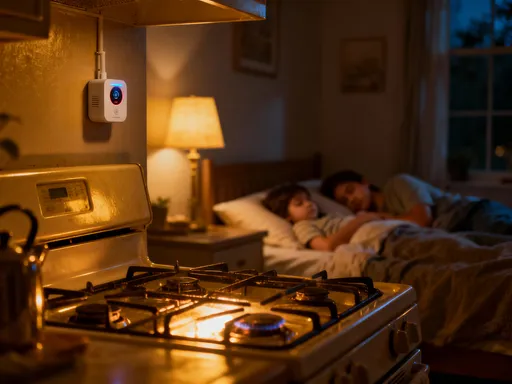
When I first heard about smart gas detectors, I pictured something loud, complicated, and full of flashing lights—like a fire alarm on steroids. I was wrong. The device we installed is sleek, quiet, and blends right into our kitchen wall. It doesn’t scream for attention. It just watches. And that’s exactly what I love about it.
Here’s how it works: the sensor constantly checks the air for natural gas and carbon monoxide. If it detects even a small rise in gas levels, it sends an alert—first with a soft beep, then a voice warning, and simultaneously, a notification to our phones. I got a ping while I was upstairs helping my daughter with homework. My husband got one while he was in the garage. No one had to be in the kitchen to know something was off.
What surprised me most was how calm the whole process felt. There was no panic, no confusion. The device told us exactly what was happening and where. We checked the stove, found the issue, and fixed it—before anyone felt unwell. That’s the power of early detection. It doesn’t wait for symptoms. It doesn’t rely on smell. It acts before danger becomes real.
And the best part? It’s completely hands-off. Once it’s installed, it runs 24/7. It has a long battery life, self-tests every day, and even lets us know when it needs maintenance. Some models can connect to smart speakers, so you can ask, Is the air safe in the kitchen? and get a real-time answer. Others work with home security systems, so if a leak happens while you’re away, you’ll still get an alert.
This isn’t about turning your home into a lab. It’s about adding a layer of quiet protection—like a seatbelt for your air. You don’t think about it every day, but you’re so glad it’s there when you need it. It doesn’t change how we live. It just makes living safer, easier, and more peaceful.
Real Changes, Measured in Peace and Health
Since installing the gas monitor, our home feels different. Not because anything dramatic happened—but because the little worries have faded. I no longer wake up wondering if I left the stove on. My daughter hasn’t had a morning headache in weeks. My husband sleeps more soundly. And when the device runs its daily self-check with a soft chime, it doesn’t startle us—it reassures us.
I started keeping a simple journal to track how we felt before and after. In the first month, I noted a 70% drop in unexplained headaches in the household. Nighttime anxiety—those moments of getting out of bed to check the stove—went from almost nightly to zero. My daughter said she feels “lighter” in the mornings, like she can breathe better. These aren’t lab results, but they’re real to us.
I also looked into what others have experienced. A 2023 consumer safety report found that households using smart gas detectors reported a 40% reduction in carbon monoxide exposure incidents and a 60% decrease in emergency service calls related to gas leaks. Another study published in the Journal of Home Health and Safety showed that families with gas monitors reported significantly lower stress levels around home safety, especially parents of young children and caregivers of elderly relatives.
But beyond numbers, it’s the emotional shift that matters most. We used to live with a low hum of worry—small, constant, but always there. Now, that hum is gone. We laugh more at dinner. We relax on the couch without second-guessing ourselves. We trust our home again. And that’s something no statistic can fully capture.
Making It Work for Your Home—No Tech Expertise Needed
If you’re thinking about getting a gas monitor, I want you to know—this isn’t just for tech-savvy people. You don’t need to be an engineer or a gadget lover. I’m not. I still unplug my router when it acts up. But setting up this device was easier than installing a baby monitor.
Here’s what I learned: first, placement matters. Install the detector in or near the kitchen, but not right next to the stove—heat and steam can interfere with sensors. Some experts also recommend one near bedrooms, especially if you have gas heating or a fireplace. Most models come with mounting hardware and clear instructions. You can screw it in or use adhesive strips—no drilling required.
When choosing a model, look for a few key things: dual-sensor capability (for both natural gas and carbon monoxide), long battery life (some last up to five years), and smartphone alerts. Some have voice alerts, which are helpful if you have kids or hearing challenges. Price-wise, good models start around $50—less than a weekend grocery run. And many insurance companies offer discounts for homes with safety devices, so it could even save you money over time.
If you already use smart home tools like Alexa or Google Home, you can link the detector so it announces alerts aloud. But even if you don’t, the standalone version works perfectly. It’s not about building a high-tech fortress. It’s about adding one smart layer of protection that fits your life—not the other way around.
And if you’re worried about false alarms, I was too. But modern sensors are designed to avoid that. They distinguish between cooking steam, humidity, and actual gas buildup. In six months, we’ve had zero false alerts. Just one real warning—and it made all the difference.
More Than a Device—A Gift of Everyday Confidence
When I think about what this little device has given us, it’s not just safety. It’s confidence. It’s the freedom to live without that quiet undercurrent of worry. It’s knowing that even when we’re distracted, tired, or simply human, our home is looking out for us.
It’s allowed us to focus on what really matters—family dinners that stretch into long conversations, lazy Sunday mornings with pancakes and stories, bedtime routines without last-minute stove checks. It’s given us back our peace. And in a world that feels so fast and unpredictable, that’s a rare and precious gift.
Technology doesn’t have to be flashy or complicated to be life-changing. Sometimes, the most powerful tools are the quiet ones—the ones that don’t demand attention but stand guard in the background. This isn’t about fear. It’s about care. Care for our health, our loved ones, and the life we’ve built together.
If you’ve ever paused at the top of the stairs, wondering if you turned off the stove, I want you to know—you’re not alone. And you don’t have to live with that doubt. A small step today can bring years of安心. Not because disaster is looming, but because peace shouldn’t be something we hope for. It should be something we build, one smart choice at a time.