More Than Just Streaming: How Video Platforms Transformed My Weekends
Remember those weekends when you’d scroll endlessly, tired but unable to relax? I did too—until online video platforms became more than just entertainment for me. They became a rhythm, a way to unwind, connect, and even grow. What used to feel like wasted time now feels intentional. Let me show you how a simple shift in how I use these platforms brought real calm, joy, and connection to my weekends—without the burnout. It wasn’t about watching less. It was about watching with purpose. And that one change? It reshaped my entire weekend experience.
The Weekend Scroll That Left Me Empty
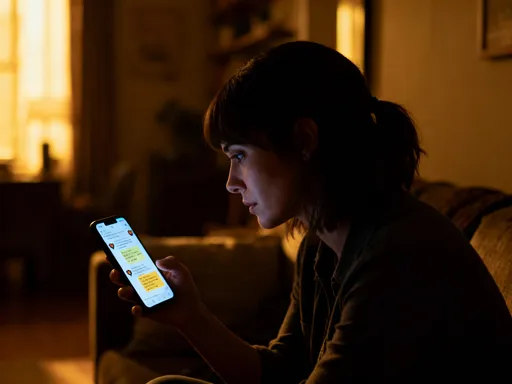
There was a time when my Saturdays began with a promise: This is my day to rest. To breathe. To just be. But by evening, I’d find myself curled on the couch, phone in hand, eyes glazed over from hours of endless scrolling. I’d laugh at a cat video, pause for a cooking hack I’d never try, then fall into a three-hour rabbit hole of travel vlogs from places I’d probably never visit. Sound familiar?
I wasn’t lazy. I was exhausted. Not from physical work, but from mental clutter. The kind that builds when you’re constantly consuming but never really receiving. I thought I was relaxing, but my mind was still racing. My body was still tense. And the quiet joy I used to feel on weekends? It had been replaced with a low hum of guilt and emptiness.
What I didn’t realize then was that passive consumption—just letting algorithms feed me whatever trend was hot—wasn’t giving me rest. It was stealing it. I’d start with good intentions, but the lack of boundaries meant I was giving my most precious time to content that didn’t nourish me. I wasn’t choosing what to watch. I was being chosen. And it left me feeling more disconnected than ever, even though I’d spent hours staring at screens filled with people, laughter, and life.
It wasn’t until I missed a family call—because I was “just finishing this one video”—that I paused. I looked around and realized I’d spent six hours online, yet hadn’t spoken to a single soul. That moment hit me. I wanted connection, but I was using tools designed for connection in a way that isolated me. The irony wasn’t lost on me. I had the whole world at my fingertips, yet I felt lonelier than ever.
A Small Shift: From Mindless Watching to Meaningful Viewing
The turning point wasn’t dramatic. I didn’t delete any apps. I didn’t swear off screens. Instead, I asked myself a simple question: What do I really need from my weekend? The answer wasn’t more entertainment. It was peace. Presence. A little joy. And maybe, just maybe, a sense of control.
So I started small. Instead of opening an app and letting the feed decide my mood, I began choosing what to watch. I searched for things that matched how I wanted to feel—not how the algorithm thought I should feel. On a rainy Saturday, I looked up “cozy morning vlogs” instead of scrolling blindly. I found one woman quietly making tea, reading by the window, and tending to her plants. No loud music. No forced energy. Just calm. And something in me settled.
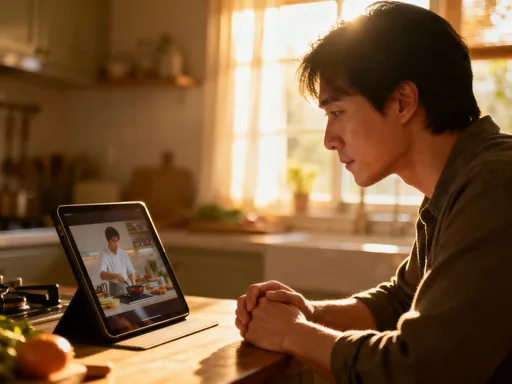
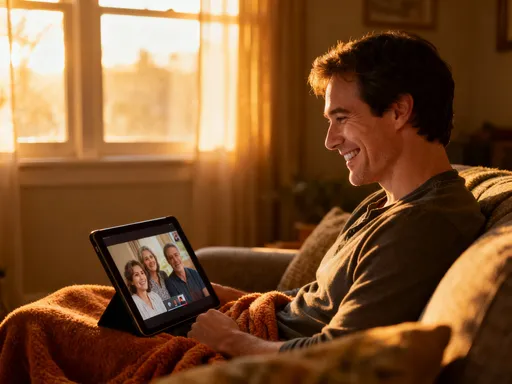
Another weekend, I invited my sister to a “virtual cooking date.” We both pulled up the same recipe video, turned on a video call, and cooked together from 200 miles apart. We laughed when her sauce thickened faster than mine. We celebrated when we both got the plating “just right.” It wasn’t just about the food. It was about sharing the moment. The video wasn’t the point—the connection was.
That’s when it clicked: video platforms weren’t the problem. My relationship with them was. When I used them passively, they drained me. But when I used them with intention, they could actually fill me. They became tools—not for escape, but for presence. Not for distraction, but for depth. And that small shift—from mindless watching to meaningful viewing—changed everything.
Curating Joy: Building Personal Playlists That Reflect My Life
One of the most powerful changes I made was learning to curate, not just consume. I stopped relying on “Recommended for You” and started building my own collections. At first, it felt silly. Why make playlists when the app already does it for me? But over time, I realized that my curated lists weren’t just about videos—they were about mood, rhythm, and self-care.
I created a playlist called “Sunday Morning Ease.” It’s a mix of gentle vlogs—people watering plants, journaling with coffee, walking through quiet neighborhoods. I play it while I make breakfast, and it sets the tone for the whole day. It’s soft. It’s slow. It tells me it’s okay to move at my own pace. That playlist has become part of my ritual, like lighting a candle or brewing a second cup of tea.
Then there’s my “Try This Later” folder. These are videos that spark real inspiration—like a 10-minute flower arranging tutorial, a simple sourdough recipe, or a guide to making natural cleaning sprays. I don’t watch them all at once. I save them for moments when I want to do, not just see. And when I finally try one? It feels like a small victory. I made something. I learned something. And it started with a video I chose, not one that found me.
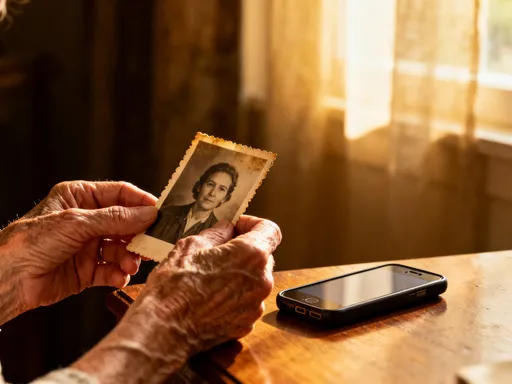
Another playlist holds old family videos I’ve uploaded to my private cloud storage. My daughter’s first steps. My mom’s 60th birthday party. A beach trip with my sisters. I don’t watch them often, but when I do, it’s like stepping into a warm memory. I’ll play them on a quiet evening, and suddenly, I’m not alone. I’m surrounded by love, laughter, and history. These aren’t viral clips. They’re mine. And keeping them close—just a click away—makes me feel grounded.
Curating taught me that I have power over my digital space. I don’t have to be at the mercy of endless feeds. I can create corners of the internet that feel like home. And when your online world reflects your real life—your values, your pace, your joy—it stops feeling like noise. It starts feeling like nourishment.
Shared Screens, Closer Bonds: Connecting Across Distances
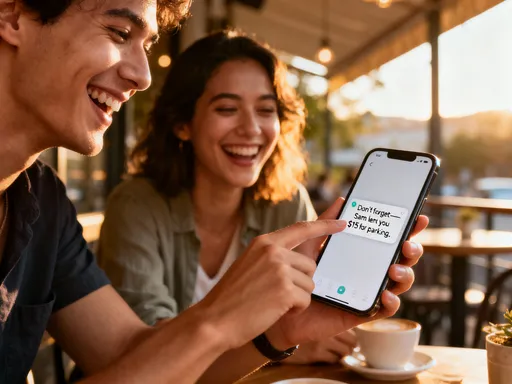
One of the most unexpected gifts of using video platforms differently has been how they’ve brought me closer to the people I love—especially those who live far away. Before, I’d text a quick “Thinking of you” or send a photo. Now, I share experiences. And that makes all the difference.
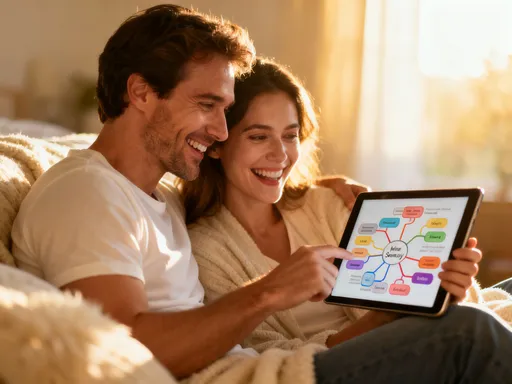
Last month, my best friend and I “watched” a movie together. We both pressed play at the same time, video chat on mute, and texted reactions in real time. When the funny part came, we both laughed out loud—even though we were in different time zones. Afterward, we talked for an hour about the characters, the ending, everything. It didn’t replace a night out, but it was something just as meaningful. We weren’t just talking about something—we were doing something together.
With my mom, it’s different. She’s not big on long calls, but she loves short, sweet videos. I’ll send her clips of funny animals, baby goats jumping, or a dog dancing in the kitchen. She’ll call me back, laughing, saying, “I watched that three times!” Those little moments? They keep us close. They’re tiny threads of joy that connect us across the miles.
And when my nephew turned five, I couldn’t be there in person. So his mom sent a video of him dancing in his superhero costume. I watched it on loop that day—laughing, tearing up, feeling so proud. I even shared it with my sisters, and we all texted each other: “That kid has moves!” In that moment, the screen didn’t feel like a barrier. It felt like a bridge.
What I’ve learned is that shared viewing creates shared emotional space. It gives us something to talk about, laugh about, remember. It turns passive watching into active connection. And for someone like me—juggling family, work, and life across different cities—those moments are priceless. They remind me that love doesn’t need to be in the same room to be real. Sometimes, it just needs to be on the same screen.
Learning in Pajamas: Weekend Growth Without the Pressure
I’ll admit it: I used to feel guilty if I wasn’t “doing” something productive on the weekend. If I wasn’t cleaning, organizing, or running errands, I felt like I was wasting time. But here’s the truth—rest is productive. And so is learning, especially when it feels light, joyful, and self-driven.
Now, instead of pushing myself to “achieve,” I let curiosity lead. I search for short documentaries—like one about the quiet beauty of Japanese gardens, or how bees communicate. I’ll watch a 15-minute tutorial on calligraphy, then grab a notebook and try it myself. I found a series on beginner gardening hacks and started growing herbs on my windowsill. None of it is perfect. But it’s mine. And it feels like growth that doesn’t come with pressure.
One weekend, I stumbled on a video about basic sign language. The instructor was warm, clear, and encouraging. I watched one sign at a time—hello, thank you, family—and practiced in front of the mirror. I didn’t become fluent. But I learned enough to say “I love you” in sign, and I showed my daughter. Her face lit up. “Do it again!” she said. In that moment, I wasn’t just learning a skill. I was building a memory.
These small learning moments have become part of my weekend rhythm. I don’t set a timer. I don’t pressure myself to “finish” a course. I just dip in when I feel like it—wearing my pajamas, sipping tea, learning at my own pace. And what’s beautiful is that these moments often spark real action. That gardening video? It led to a new hobby. The calligraphy tutorial? I now write out quotes for my journal. The learning doesn’t stay on the screen. It moves into my hands, my home, my heart.
Video platforms gave me permission to grow in small, quiet ways. No exams. No deadlines. Just the gentle joy of discovering something new—because I wanted to, not because I had to.
Protecting Peace: Setting Boundaries That Keep Joy Alive
Here’s the thing: even the most meaningful habits can become overwhelming if we don’t protect them. I learned that the hard way. There was a week when I overdid it—watching too many tutorials, scheduling too many virtual hangouts, filling every quiet moment with video. By Sunday night, I was drained again. The tools that once brought calm were now adding noise.
That’s when I realized: intention isn’t enough. I also needed boundaries. So I started setting gentle limits. I turned off autoplay—no more “Next video in 5…” pulling me into another hour of scrolling. I set screen time reminders on my phone, so I’d get a soft nudge after 45 minutes. And I created “no-screen” zones: no devices during meals, no videos an hour before bed.
I also started scheduling “offline blocks” on my weekend calendar. Two hours on Saturday morning just for reading, walking, or sitting with my coffee. No agenda. No videos. Just space to breathe. At first, it felt strange—like I was “wasting” time. But over time, I realized those quiet moments were where real rest lived. They gave me room to reflect, to feel, to just be.
Another boundary was saying no to FOMO. I don’t watch every viral trend. I don’t feel pressured to comment on every popular video. I’ve unfollowed channels that made me feel inadequate or rushed. My feed now reflects what I value—calm, creativity, connection—not what’s loud or trendy.
Setting boundaries wasn’t about restriction. It was about protection. I was protecting the peace I’d worked so hard to build. And when I honor those limits, the joy comes back. The videos feel special again. The connections feel deeper. The rest feels real.
My Weekends, Reimagined: Calm, Connection, and Choice
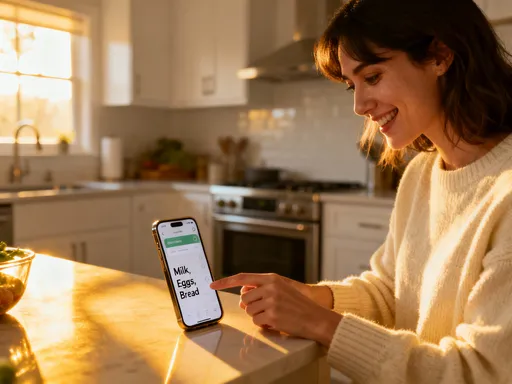
Today, my weekends feel different. They’re not perfect. Some days, I still scroll too long. Some Sundays, I forget to unplug. But overall, there’s a new rhythm—a quieter, more intentional flow.
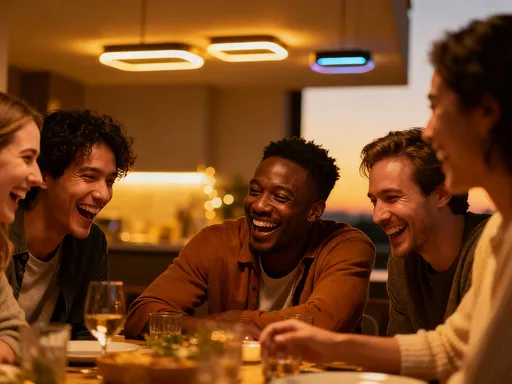
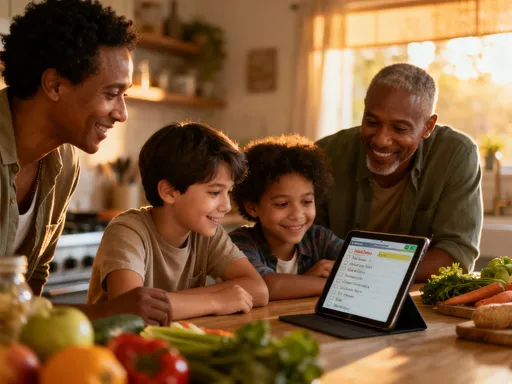
Friday night might mean a shared movie with a friend. Saturday morning could be a slow stretch video followed by pancakes with the kids. Sunday might include a short documentary, a call with my mom, and an hour of reading with no screens in sight. The mix changes, but the feeling stays the same: I’m present. I’m connected. I’m at peace.
The platforms haven’t changed. The technology is the same. But I have. I’ve learned to use these tools not to escape my life, but to live it more fully. I’ve turned passive time into active joy. I’ve replaced guilt with gratitude. And I’ve discovered that even in the digital world, there’s room for real, human moments.
If you’re feeling stuck in the endless scroll, I want you to know: it’s okay to rethink how you use these platforms. You don’t have to delete them. You don’t have to feel guilty for enjoying them. You just have to choose. Choose what you watch. Choose who you share it with. Choose how it fits into your life.
Because at the end of the day, technology should serve you—not the other way around. And when you use it with purpose, even something as simple as watching a video can become an act of self-care, connection, and quiet joy. That’s the weekend I’ve found. And it’s one I hope you can find too.