Tired of Feeling Lost in Group Projects? This Simple Tool Gave Me Back My Focus
Ever stared at a cluttered to-do list, overwhelmed by tasks and team messages blowing up your phone? I was drowning in digital chaos—until I discovered how online whiteboard apps quietly transformed not just my work, but my sense of control. No flashy promises, just real clarity. It wasn’t about collaboration alone; it was about finally thinking clearly, making decisions confidently, and reclaiming my time. This is how one simple tool helped me feel more like me again.
The Overwhelm of Modern Work: When Teamwork Feels Like Noise
Remember that Sunday night dread? The one where you open your laptop and see 47 unread messages, three calendar invites for the same time slot, and a to-do list that somehow grew longer while you were asleep? I used to live for those moments—thinking if I just answered fast enough, I could stay ahead. But the truth was, I wasn’t leading my day. I was reacting to it. Every ping pulled me in a new direction. I’d start writing an email, get distracted by a chat notification, switch to a document, then forget what I was doing altogether. Sound familiar?
What made it worse was that I wasn’t alone. We were all in this together—my team, my family, my friends—all juggling tasks across apps like Slack, email, text, and a dozen different documents. The irony? We were more connected than ever, yet I felt more isolated in my confusion. I’d ask, ‘Wait, did we decide on the deadline?’ and someone would reply, ‘I thought you were handling that.’ Miscommunication wasn’t rare. It was routine. And the cost wasn’t just missed deadlines. It was peace of mind.
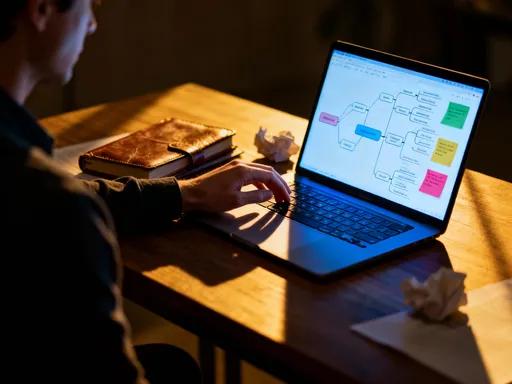
Then one afternoon, while preparing for a virtual team brainstorm, I opened an online whiteboard app for the first time. I expected a digital version of those old office flipcharts—something to scribble ideas on during a meeting and forget about. But as I dragged sticky notes around, connected them with lines, and color-coded tasks, something shifted. For the first time in months, I could see the whole picture. Not just my part. Not just one message thread. The entire project—its moving pieces, its priorities, its gaps—laid out in front of me. It wasn’t magic. But it felt close.
Beyond Collaboration: The Hidden Power of Visual Thinking
Most people talk about online whiteboards as team tools. And yes, they’re great for group brainstorming or planning a project together. But what surprised me was how powerful they became when I used them alone. One morning, instead of jumping into messages, I opened my whiteboard and started mapping out my week. I created columns: ‘This Week,’ ‘In Progress,’ ‘Waiting On,’ and ‘Done.’ I added sticky notes for each task, moved them around, grouped similar ones. And just like that, the fog lifted.
There’s something about seeing your thoughts in front of you that makes them real. When everything’s in your head or buried in a chat thread, it’s easy to feel overwhelmed. But when you can see a task, connect it to a goal, or notice that two assignments are actually related, your brain starts working differently. I wasn’t waiting for someone else to tell me what to do next. I was figuring it out myself. That’s when I realized: this wasn’t just about organizing work. It was about strengthening my own thinking.
Visual thinking helped me spot patterns I’d missed before. I noticed that every time I said ‘yes’ to a last-minute request, two other tasks slipped. I saw that certain types of work drained me by midday, so I started scheduling them for mornings. The board became my quiet coach—no judgment, no pressure, just clarity. And the more I used it for personal planning, the more confident I felt in team settings. I wasn’t just showing up. I was showing up prepared.
Claiming Mental Space in a Shared World
We live in a culture that celebrates being busy. Answering emails at midnight? Impressive. Responding to texts during dinner? Normal. But where does thinking happen in all of that? I used to feel guilty for stepping away, like I was falling behind. Then I started using my whiteboard as a mental sanctuary. Instead of replying to a message right away, I’d say to myself, ‘Let me think about that first.’ And I’d open my board.
That small pause changed everything. I’d jot down the request, link it to ongoing projects, check my priorities, and then decide how—or whether—to respond. No more knee-jerk reactions. No more agreeing to things I didn’t have time for. I wasn’t being rude. I was being thoughtful. And my team actually appreciated it. ‘I like how you always have a clear plan,’ one colleague said. ‘It makes it easier for all of us.’
The whiteboard became my digital retreat—a place where I could slow down without falling behind. It wasn’t about hiding from work. It was about creating space to do the work well. I started adding personal notes: ‘What’s one thing I want to feel proud of this week?’ or ‘What’s draining my energy?’ These weren’t task lists. They were check-ins with myself. And slowly, I stopped feeling like a cog in a machine. I started feeling like a person again—someone with thoughts, goals, and boundaries.
From Chaos to Calm: Building Personal Systems That Stick
I’ve tried every productivity system out there. Bullet journals. Fancy planners. Calendar blocking. But nothing stuck—until I built my own system on the whiteboard. And the key was simplicity. I didn’t need a perfect template. I needed something that worked for me. So I started small: a daily dashboard with three sections—‘Top 3 Today,’ ‘Quick Wins,’ and ‘Don’t Forget.’
At first, it felt silly. Just digital sticky notes, really. But because I could move them, resize them, color-code them, it felt alive. I’d start each morning reviewing the board, shifting tasks, celebrating the ones I could drag into ‘Done.’ And because I could access it from my phone, tablet, or laptop, I actually used it. No more lost notebooks. No more forgotten lists.
Then I added a weekly roadmap. Every Sunday, I’d spend 15 minutes looking ahead. What meetings were coming up? What deadlines? What personal goals mattered? I’d sketch a simple timeline, add milestones, and drop in tasks. It wasn’t detailed. It didn’t have to be. Just enough to give me direction. Over time, I even created a ‘What Matters This Week’ corner—just a few sticky notes with things like ‘Call Mom,’ ‘Finish book chapter,’ or ‘Plan family dinner.’ These weren’t work tasks. They were life tasks. And seeing them alongside my professional goals reminded me that I wasn’t just a worker. I was a whole person.
Quiet Confidence: How Structure Fuels Independence
Here’s the thing no one talks about: structure doesn’t kill creativity. It fuels it. The more organized my whiteboard became, the more space I had to think freely. I wasn’t spending mental energy remembering deadlines or chasing down information. That energy was now free—for problem-solving, for new ideas, for deeper conversations.
I started noticing how my decisions changed. Before, I’d hesitate. ‘Should I take on this project?’ ‘Is this the right approach?’ Now, I could look at my board and see my capacity. I could assess a new request against my priorities. I wasn’t saying ‘no’ more often—I was saying ‘yes’ more intentionally. And that made all the difference.
One day, my manager asked me to lead a last-minute client presentation. In the past, I’d have panicked. But that day, I smiled, said ‘Let me check my plan,’ and opened my board. I reviewed my current tasks, identified what could wait, and mapped out the next steps. Ten minutes later, I came back with a clear proposal—and a confident ‘Yes, I can lead this.’ That moment wasn’t about the tool. It was about what the tool had given me: the ability to trust myself.
Small Shifts, Big Impact: Making It Part of Your Daily Rhythm
You don’t need to spend hours setting up a perfect system. I started with just ten minutes each morning. That’s it. Open the board. Review the day. Move a few notes. At first, it felt like just another task. But soon, it became my anchor. That quiet time set the tone for my entire day.
Over time, I added small touches. I used color codes—blue for family, green for work, pink for personal growth. I added quick sketches: a lightbulb for ideas, a clock for time-sensitive tasks. Sometimes, I recorded a short voice note summarizing my thoughts. The board evolved with me. It wasn’t rigid. It wasn’t demanding perfection. It was flexible, forgiving, and always there.
And here’s what I didn’t expect: others noticed. Not because I posted about it on social media or sent a company-wide email. But because I was calmer. More focused. More present. My kids said, ‘You seem less stressed.’ My team said, ‘You’re easier to collaborate with.’ The tool didn’t change my personality. It helped me show up as my best self—without burning out.
Reclaiming Yourself: Why Independence Matters More Than We Think
In the end, this wasn’t about productivity hacks or time management tricks. It was about something deeper: feeling like the author of my own life. So much of modern work pulls us in different directions—emails demanding replies, calendars filling up, group chats buzzing. It’s easy to feel like a passenger in your own day.
The online whiteboard didn’t automate my work. It didn’t do the tasks for me. But it gave me something priceless: space to think, clarity to decide, and confidence to act. It reminded me that I don’t have to respond to everything immediately. I don’t have to have all the answers right away. I can take a breath. I can think. I can choose.
And that sense of control—of independence—isn’t just helpful at work. It spills over into everything. I’m more patient with my family. I make better decisions about how I spend my time. I feel less guilty for taking moments to myself, because I know I’m not falling behind. I’m getting clearer.
If you’ve ever felt lost in the noise of modern life, I want you to know this: you don’t need to do more. You don’t need to be faster. You just need a little space to think. Try opening a blank whiteboard. Add one sticky note. Then another. Let your thoughts breathe. You might be surprised at how much calmer, clearer, and more like yourself you feel. Because sometimes, the simplest tools don’t just change how we work. They help us remember who we are.