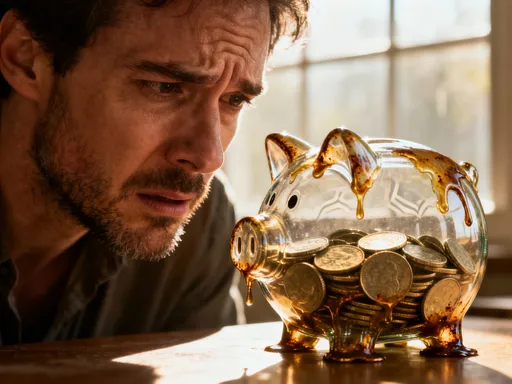
How I Turned Estate Tax Pressure into Smart Market Moves
Estate tax doesn’t have to mean losing hard-earned wealth. I used to worry about passing assets to my family—until I discovered a smarter, systematic way. It wasn’t about hiding money, but redirecting it. By aligning tax strategy with real market opportunities, I turned a potential loss into long-term growth. This is how I did it—and how you might too, without gambling or gimmicks. The truth is, most people wait until it’s too late to act, allowing tax obligations to erode decades of financial discipline. But when approached with clarity and foresight, estate tax planning becomes less about reaction and more about opportunity. It’s not just about what you leave behind—it’s about how wisely you manage what you’ve built while you’re still in control.
The Wake-Up Call: When Estate Tax Became Real
For years, estate tax felt like someone else’s problem. I was focused on growing my portfolio, managing expenses, and saving for retirement. The idea of passing wealth to the next generation seemed distant—until it wasn’t. A close friend lost nearly half of her family’s inheritance to estate taxes after her father passed away. The assets had appreciated significantly over time, and because no proactive planning had taken place, the tax burden fell heavily on the heirs. What struck me most wasn’t just the financial loss, but the emotional toll—decisions made under pressure, assets sold at inopportune times, and family dynamics strained by financial stress.
That moment changed my perspective. I began to see estate tax not as a theoretical concept, but as a real risk to financial security and legacy. I started researching with a new urgency—not to find loopholes or aggressive tax shelters, but to understand how ordinary people could protect what they had worked so hard to build. What I discovered was both surprising and empowering: estate tax planning doesn’t require being a millionaire or hiring an army of lawyers. It requires timing, structure, and intentionality. The biggest mistake most people make is waiting until a crisis forces action. By then, options are limited, markets may be unfavorable, and emotions cloud judgment. Acting early transforms estate tax from a threat into a catalyst for smarter financial behavior.
What became clear was that estate tax isn’t just a legal or accounting issue—it’s a core component of long-term financial health. Just like retirement planning or insurance, it should be integrated into your overall strategy long before it becomes urgent. The earlier you start, the more control you have over how and when assets are transferred. This shift in mindset—from avoidance to integration—was the first real step toward turning pressure into progress.
Systematic Planning: Building a Framework, Not a Quick Fix
Once I accepted the importance of estate tax planning, I realized I needed a system, not a one-time fix. I began by creating a comprehensive inventory of all my assets: real estate, investment accounts, retirement funds, business interests, and personal property. But I didn’t stop at market value. I assessed each asset for liquidity, growth potential, tax basis, and ownership structure. This wasn’t just a list—it was a map of my financial ecosystem. With that clarity, I could see which assets were likely to trigger the highest tax burdens and which could be transferred efficiently.
The next step was timing. I studied the federal estate tax exemption, which in recent years has allowed individuals to pass a significant amount—over $12 million—free of federal tax. But I also knew that these thresholds can change with legislation, and state-level estate or inheritance taxes may still apply. Instead of betting on future policy, I built flexibility into my plan. I set internal thresholds—personal triggers—for when to consider gifting or restructuring. For example, if my net worth approached 80% of the current exemption limit, that would prompt a review. This self-imposed discipline ensured I wouldn’t wait until the last minute.
I also aligned my planning with life stages. Transferring assets while healthy and mentally sharp allows for better decision-making. It also opens up opportunities to use annual gift exclusions—up to $17,000 per recipient in 2023—without triggering reporting requirements. Over time, these small, consistent transfers can significantly reduce the size of a taxable estate. More importantly, they allow heirs to benefit earlier, whether for education, home purchases, or investment capital. The system wasn’t about perfection—it was about consistency, clarity, and course correction. By treating estate planning as an ongoing process, not a single event, I gained confidence that my family would be protected, no matter what the future held.
From Liability to Leverage: Using Estate Tax as a Catalyst
One of the most powerful realizations was that estate tax doesn’t have to be a burden—it can be a motivator for better financial decisions. The pressure to reduce a taxable estate forced me to evaluate my portfolio with fresh eyes. Instead of holding onto assets out of habit, I began asking: Which holdings are overconcentrated? Which ones have appreciated so much that a future sale could trigger capital gains? And which ones could be more useful in the hands of my children or grandchildren?
I started making strategic gifts, not randomly, but in sync with market conditions and personal goals. For example, when a stock in my portfolio had a strong run-up but showed signs of plateauing, I transferred a portion to my daughter’s custodial account. This reduced my taxable estate, locked in a favorable valuation, and gave her a long-term investment with growth potential. Because she was in a lower tax bracket, future dividends and gains would be taxed more favorably. This wasn’t tax avoidance—it was tax efficiency, aligned with sound investment principles.
For underperforming assets, I took a different approach. Rather than rushing to transfer them, I repositioned or held them, waiting for a better opportunity. This discipline—using the estate tax timeline as a forcing function—kept me from emotional decisions. It also encouraged regular portfolio reviews, which improved my overall investment strategy. I began to see gifting not as a loss of control, but as a form of wealth recycling. By moving assets earlier, I could ensure they were used productively, whether for education, homeownership, or starting a business. The estate tax deadline, rather than being a source of stress, became a tool for accountability and intentionality.
Market Opportunities in Plain Sight
As I dug deeper, I discovered that many effective estate planning strategies are already embedded in the financial system—no secret knowledge required. One of the most accessible tools is the use of family limited partnerships (FLPs). By placing investment properties or business interests into an FLP, I could transfer ownership gradually while retaining management control. Because interests in a private partnership are less liquid, they can be valued at a discount for tax purposes, allowing me to transfer more value with less impact on my taxable estate.
Another strategy I explored was the qualified personal residence trust (QPRT). This allowed me to transfer my primary home or vacation property to my children at a reduced valuation, while continuing to live in it for a set number of years. If I outlived the term, the home passed to them free of additional estate tax. Even if I didn’t, the structure still provided benefits through partial tax reduction and protection from future appreciation. These aren’t exotic instruments—they’re established legal structures available to anyone willing to plan ahead.
I also found value in aligning tax-smart moves with solid investments. For instance, I restructured a portion of my portfolio into a dividend-focused real estate investment trust (REIT). Not only did this generate reliable income, but because REITs are structured to pass through earnings, they can be efficient vehicles for gifting. I transferred shares to my son, who was just starting his career and in a low tax bracket. The income helped him build savings, while the transfer reduced my estate’s value. The key lesson was clear: the best strategies combine tax efficiency with sound financial fundamentals. They don’t sacrifice returns for savings—they enhance both by aligning incentives across generations.
Risk Control: Protecting Wealth Without Sacrificing Growth
Every financial decision carries risk, and estate planning is no exception. One of the biggest dangers I identified was over-gifting—transferring too much too soon and compromising my own financial stability. To prevent this, I built in safeguards. First, I established a liquidity buffer—enough cash and near-cash assets to cover living expenses, emergencies, and unexpected tax bills. This ensured that I wouldn’t be forced to sell investments at a loss just to maintain my lifestyle.
I also adopted a staggered approach to gifting. Instead of transferring large sums in a single year, I spread gifts over time. This allowed me to monitor my net worth, adjust for market changes, and retain flexibility. If the market dipped, I could pause transfers. If my health changed, I could reassess. This gradual method also minimized the risk of gift tax implications, since each transfer stayed within the annual exclusion limit.
Diversification played a crucial role—not just across asset classes, but across ownership structures. I avoided concentrating too much wealth in any single vehicle, whether a trust, partnership, or direct ownership. This reduced exposure to legal, tax, or market-specific risks. I also maintained regular communication with my financial advisor and estate attorney, ensuring that all moves were coordinated and compliant. The goal wasn’t to freeze my wealth in rigid structures, but to keep it dynamic and responsive. By balancing protection with growth, I preserved the ability to adapt while still reducing future tax exposure.
Practical Steps That Actually Work
After years of testing and refinement, I developed a clear, repeatable process. The foundation is an annual financial review—similar to a physical check-up, but for your balance sheet. During this review, I assess asset values, ownership titles, beneficiary designations, and overall net worth. I compare my total estate to the current federal exemption level and adjust my gifting strategy accordingly. This simple habit prevents surprises and keeps me ahead of legislative changes.
I also set transfer thresholds—personal rules for when to act. For example, if any single asset appreciates beyond a certain percentage, I consider whether partial gifting or repositioning makes sense. I use the step-up in basis at death strategically. While heirs receive a cost basis adjustment for inherited assets, I don’t rely on that alone. Instead, I time gifts to maximize both basis and tax efficiency. For instance, I might gift an asset with a low basis to a heir in a low tax bracket, allowing them to sell it with minimal capital gains.
One of the most effective changes I made was restructuring the ownership of a rental property portfolio. Originally held in my individual name, it was fully exposed to estate tax. I transferred it into a limited liability company (LLC), then gradually gifted shares to my children. This not only reduced my taxable estate but also improved operational clarity and liability protection. The income continued to flow, and the properties appreciated under shared ownership. Best of all, the process was straightforward, cost-effective, and didn’t require complex legal fees. It was a reminder that powerful tools don’t have to be complicated—they just have to be used wisely.
Long-Term Gains: More Than Just Saving Taxes
Looking back, the greatest benefit of this journey wasn’t just reducing tax liability—it was gaining a deeper sense of control and purpose. The process forced me to think beyond short-term gains and consider the long-term impact of my financial decisions. I began to view my assets not just as numbers on a statement, but as tools for security, opportunity, and legacy. I saw firsthand how early action, disciplined planning, and market-aware strategies could turn a daunting obligation into a source of strength.
What started as fear of loss became a commitment to clarity. I now have regular conversations with my children about finances, not as handouts, but as shared responsibility. They understand the value of the assets they’ve received and the importance of stewardship. This intergenerational dialogue has strengthened our family in ways I hadn’t anticipated. More importantly, I’ve preserved the flexibility to enjoy my wealth today while ensuring it continues to work for my loved ones tomorrow.
Estate tax planning, when done right, isn’t a burden—it’s an invitation to think bigger. It encourages smarter investing, better timing, and more intentional living. It’s not about gaming the system, but about using the system to your advantage through foresight and discipline. The market doesn’t reward panic or procrastination. It rewards preparation, patience, and principle. And in the end, the greatest return isn’t measured in dollars saved, but in peace of mind, family security, and a legacy built on wisdom, not worry.